Sacroiliitis: An Overlooked Cause of Lower Back and Buttock Pain
Many patients with persistent lower back pain assume the problem is coming from a disc, muscle strain, or sciatica. However, in some cases, the true source of pain may actually be the sacroiliac (SI) joint.
At
Pinnacle Spine & Neurosurgery, we frequently evaluate patients throughout
Little Rock, Conway, Hot Springs, and Central Arkansas who are suffering from SI joint dysfunction and sacroiliitis. Because SI joint pain can closely mimic other spine conditions, it is often underdiagnosed or mistaken for lumbar spine disease. In some cases, a minimally invasive sacroiliac joint fusion may be a treatment option.
What Is Sacroiliitis?
Sacroiliitis refers to inflammation or dysfunction of the sacroiliac joints, which connect the spine to the pelvis. These joints help absorb shock and transfer forces between the upper body and legs during standing, walking, and movement.
When the SI joints become inflamed or unstable, patients may develop significant pain and difficulty with daily activities.
Common Symptoms of Sacroiliitis
Symptoms vary from patient to patient, but commonly include:
- Lower back pain
- Buttock pain
- Hip or groin pain
- Pain that radiates into the upper leg
- Pain with prolonged standing or walking
- Increased pain when transitioning from sitting to standing
- Pain when climbing stairs or rolling over in bed
Many patients describe the pain as deep, aching, or sharp near the beltline.
What Causes SI Joint Pain?
Several conditions can contribute to sacroiliitis or SI joint dysfunction, including:
- Degenerative arthritis
- Pregnancy and childbirth
- Trauma or falls
- Prior lumbar fusion surgery
- Inflammatory arthritis
- Repetitive stress or instability
In some patients, SI joint pain develops gradually over time, while others notice symptoms after an injury or spine surgery.
How Is Sacroiliitis Diagnosed?
Diagnosing SI joint dysfunction can be challenging because the symptoms often overlap with lumbar disc disease, sciatica, or hip pathology.
Evaluation typically includes:
- A detailed history and physical examination
- X-rays, CT scans, or MRI imaging
- Specialized SI joint provocative testing
- Diagnostic SI joint injections
Diagnostic injections are often one of the most useful tools because they help confirm whether the SI joint is truly the source of pain.
Non-Surgical Treatment Options
Most patients begin with conservative treatment before considering surgery.
Treatment options may include:
- Physical therapy
- Anti-inflammatory medications
- Activity modification
- SI joint belts or braces
- Image-guided SI joint injections
- Radiofrequency ablation
Many patients experience significant improvement with non-surgical care.
Minimally Invasive SI Joint Fusion
For patients with severe or persistent SI joint pain that does not improve with conservative treatment, minimally invasive SI joint fusion may be an option.
This procedure stabilizes the SI joint using specialized implants placed through small incisions. Minimally invasive techniques may help reduce tissue disruption, postoperative pain, and recovery time compared to traditional open surgery.
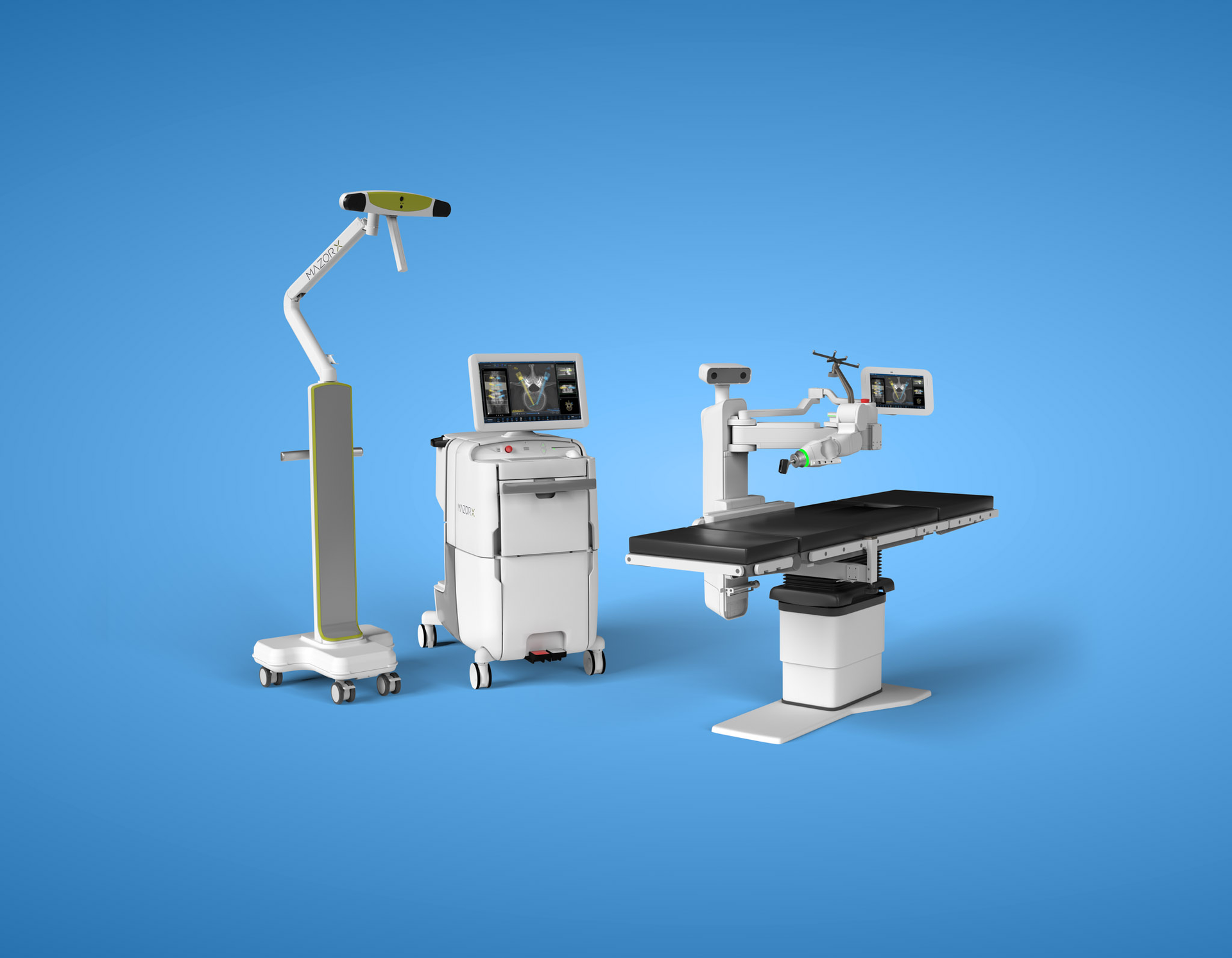
At Pinnacle Spine & Neurosurgery, Dr. Gautam Gandhi utilizes advanced imaging and minimally invasive surgical techniques to help optimize precision and patient outcomes.
When Should You See a Spine Specialist?
You should consider evaluation if you have:
- Persistent lower back or buttock pain
- Pain that has not improved with conservative treatment
- Difficulty walking or standing
- Symptoms after lumbar fusion surgery
- Pain interfering with work, sleep, or exercise
Accurate diagnosis is essential because many patients treated for “back pain” may actually have SI joint dysfunction.
SI Joint Treatment in Arkansas
Pinnacle Spine & Neurosurgery provides evaluation and treatment for sacroiliitis and SI joint dysfunction for patients in:
- Little Rock
- Conway
- Hot Springs
- Central Arkansas
Our goal is to identify the true source of pain and create an individualized treatment plan tailored to each patient’s condition and lifestyle.
Schedule a Consultation
If you are experiencing persistent lower back, buttock, or pelvic pain, you may benefit from an evaluation for SI joint dysfunction or sacroiliitis.
To learn more or schedule a consultation with Dr. Gautam Gandhi at Pinnacle Spine & Neurosurgery, contact our office today.