Robotic Spine Surgery: What Patients in Arkansas Should Know
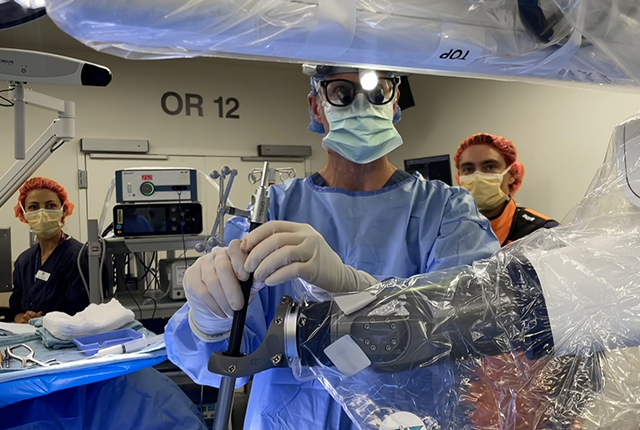
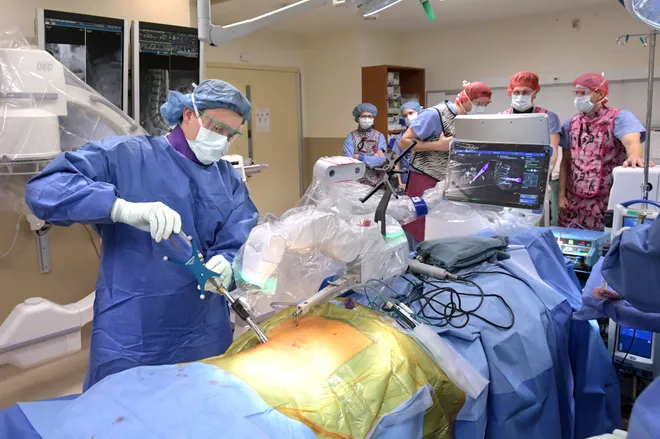
Robotic spine surgery is an advanced surgical technique that helps spine surgeons perform procedures with greater precision and planning. At Pinnacle Spine & Neurosurgery , Dr. Gautam Gandhi uses robotic guidance technology to assist in complex spine procedures for patients in Little Rock, Conway, and Hot Springs, Arkansas.


For many patients with spinal disorders, robotic technology can improve surgical accuracy and support minimally invasive approaches.


What Is Robotic Spine Surgery?


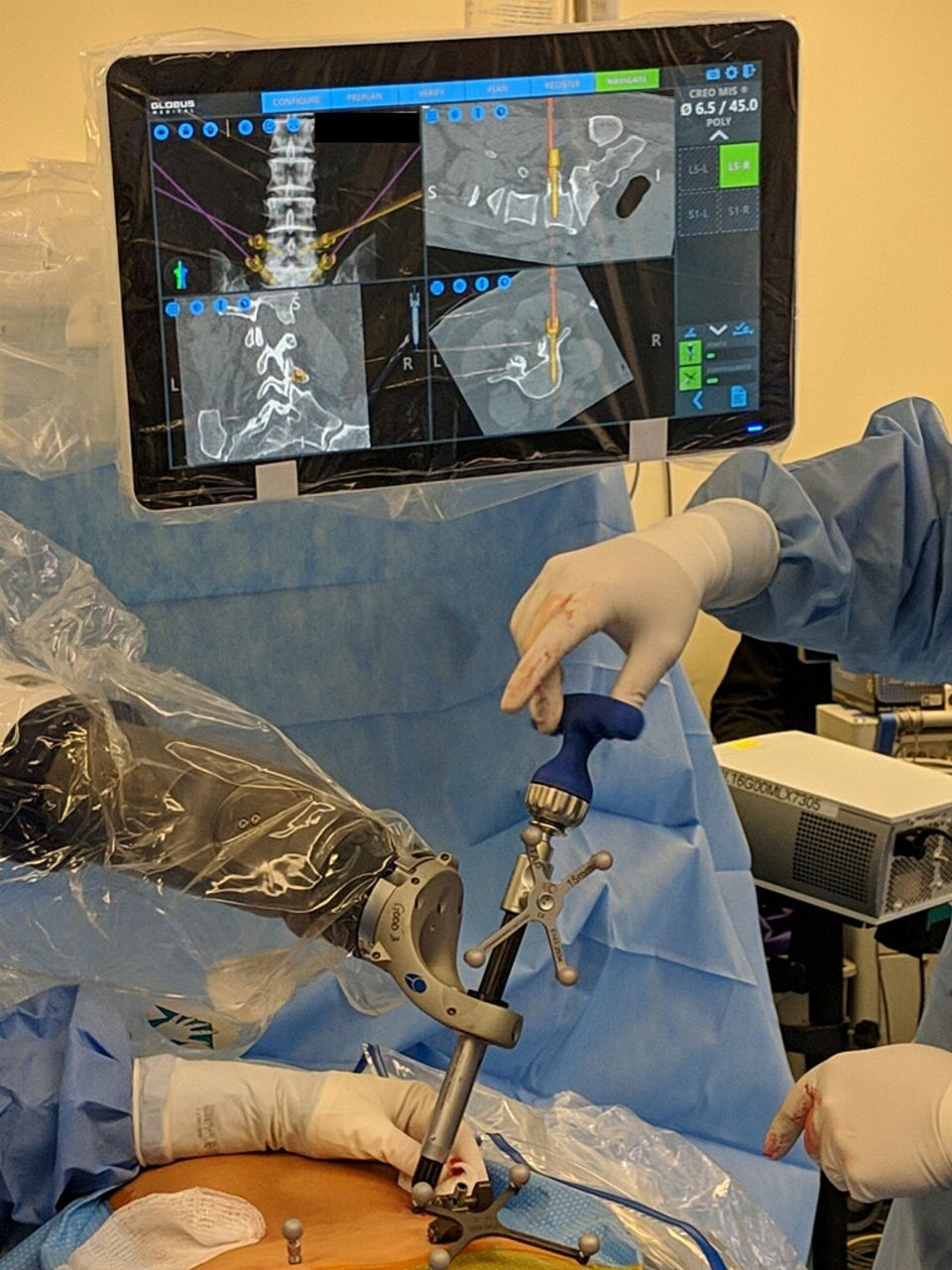
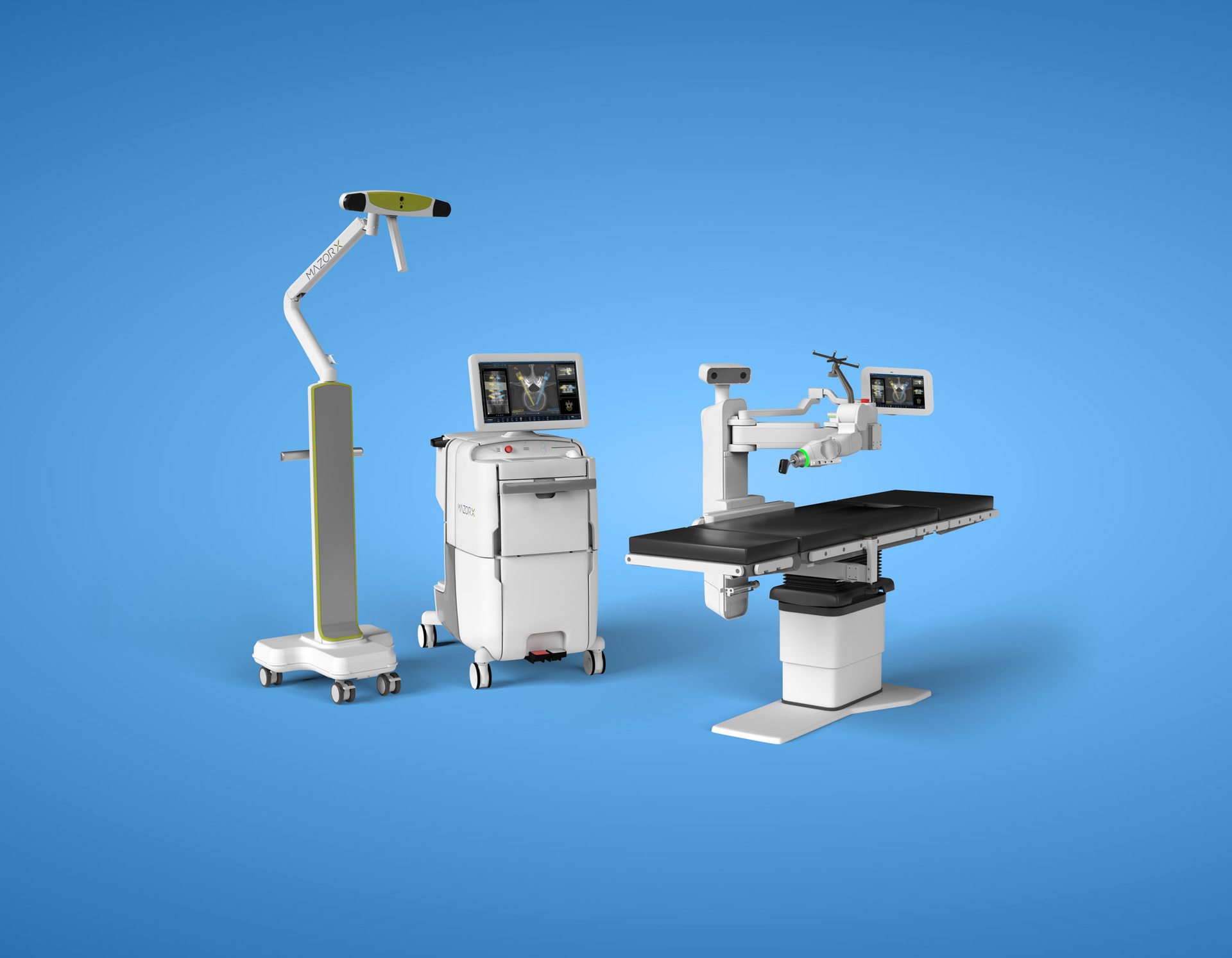
Robotic spine surgery uses computer-assisted navigation and robotic guidance to help spine surgeons plan and execute procedures with high precision.


The robot does not perform surgery independently. Instead, it functions as an advanced guidance system, allowing the surgeon to plan the procedure in detail and execute it with greater accuracy.


The surgeon remains fully in control throughout the operation.


Robotic systems are commonly used during procedures such as:


  • Spinal fusion
  • Treatment of spinal stenosis
  • Herniated disc surgery
  • Degenerative disc disease
  • Complex spinal reconstruction


How Robotic Spine Surgery Works


Before surgery, advanced imaging allows the surgeon to create a detailed 3-dimensional plan of the patient’s spine.


During the procedure, robotic guidance technology helps the surgeon:


  • Identify precise anatomical landmarks
  • Plan optimal screw trajectories
  • Improve implant placement accuracy
  • Reduce unnecessary tissue disruption
  • This level of planning helps surgeons tailor the procedure to each patient’s unique anatomy.


Potential Benefits of Robotic Spine Surgery


For appropriate patients, robotic spine surgery may offer several advantages:


Greater Precision

Robotic navigation helps guide implant placement and surgical pathways with high accuracy.


Smaller Incisions

Because the surgical approach can be planned in detail, many procedures can be performed using minimally invasive techniques.


Faster Recovery

Smaller incisions and less muscle disruption can often lead to:


  • Less postoperative pain
  • Shorter hospital stays
  • Faster return to normal activities
  • Reduced Radiation Exposure
  • Advanced navigation systems may reduce the need for repeated intraoperative fluoroscopy.


Who Is a Candidate for Robotic Spine Surgery?


Not every spine condition requires robotic assistance.


Patients who may benefit include those with:


During a consultation, Dr. Gandhi evaluates each patient individually to determine the safest and most effective surgical approach.


Robotic Spine Surgery in Arkansas


At Pinnacle Spine & Neurosurgery, we provide advanced spine care for patients across:


  • Little Rock
  • Conway
  • Hot Springs
  • Central Arkansas


Our goal is to combine modern surgical technology with individualized patient care to achieve the best possible outcomes.


When to See a Spine Specialist


If you are experiencing symptoms such as:


  • Persistent back pain
  • Leg pain or sciatica
  • Weakness or numbness
  • Difficulty walking
  • Symptoms that do not improve with conservative treatment


It may be time to consult with a spine specialist.


Early evaluation can help determine whether non-surgical treatment or advanced surgical options may be appropriate.


Schedule a Consultation


If you would like to learn more about robotic spine surgery in Little Rock, Conway, or Hot Springs, you can request a consultation with Dr. Gautam Gandhi at Pinnacle Spine & Neurosurgery.


Our team will review your imaging, discuss treatment options, and help determine the best plan for your condition.


Sources

https://pmc.ncbi.nlm.nih.gov/articles/PMC6844237/


https://www.medtronic.com/en-us/healthcare-professionals/products/surgical-robotics/robotic-systems/mazor-robotic-guidance-system.html

Author: Dr. Gautam Gandhi

Date Published: March 23, 2026
Gloved surgeons operating with syringes over a patient draped in blue surgical cloth
By Dr. Gandhi • November 4, 2026
Recovery time varies from patient to patient; read to learn what to expect after minimally invasive spine surgery. Dr. Gandhi is a spine surgeon in Central Arkansas.
decorative
By Dr. Gandhi • October 23, 2026
Learn about the requirements for minimally invasive spine surgery. Dr. Gandhi is a spine surgeon helping patients in Conway, Hot Springs, and Little Rock, Arkansas.
Person climbing an outdoor concrete staircase with blue railings under a clear sky
By Dr. Gandhi • October 7, 2026
Learn about what activities to avoid if you have sacroiliitis from Dr. Gandhi, a spine specialist serving Little Rock, Conway, and Hot Springs, AR.
Person with nighttime lower back and hip pain from sacroiliitis.
By Dr. Gautam Gandhi • September 15, 2026
Sacroiliitis can feel worse at night because of sleeping position, pelvic stress, inflammation, stiffness, or poor mattress support. Read to learn more.
Person in black clothes bending on a foggy beach, with waves and distant hills in the background
By Dr. Gautam Gandhi | Spine Surgeon • September 3, 2026
Sacroiliitis flare-ups can be triggered by standing, walking, sitting, stairs, exercise, lifting, or poor sleep. Learn more about when to see a spine specialist.
Man bent forward on a grassy field, holding his knee in apparent pain while wearing athletic clothes.
By Dr. Gandhi • August 19, 2026
In some cases, a spinal cord stimulator may be the right treatment for chronic pain. Learn more about the trial period and who may be a good fit.
Close-up of a person clutching their forearm in pain against a white brick wall
By Dr. Gautam Gandhi • August 4, 2026
When a damaged spinal disc causes persistent neck pain, arm pain, numbness, weakness, or spinal cord compression, surgery may be considered after nonsurgical treatments have not provided enough relief. Two common surgical options are artificial disc replacement and spinal fusion. Both procedures begin by removing the damaged disc and relieving pressure on the spinal cord or nerves. The main difference is what happens afterward: artificial disc replacement is designed to preserve motion, while spinal fusion permanently stabilizes the treated level.  Neither option is automatically better for every patient. The right choice depends on the location and severity of the spinal condition, the number of affected levels, spinal alignment, joint health, bone quality, and several other factors.
Man in blue shirt holding his lower back on a sunlit trail, appearing to feel discomfort
By Dr. Gautam Gandhi • July 21, 2026
Hip pain does not always come from the hip joint itself. In some patients, pain around the hip, buttock, groin, or lower back may actually be coming from the sacroiliac joint , also called the SI joint . When this joint becomes inflamed or irritated, it can cause a condition called sacroiliitis , which may feel very similar to hip arthritis, sciatica, or a lumbar spine problem. Sacroiliitis can be difficult to recognize because the pain often overlaps with other common causes of hip and low back pain. Dr. Gandhi, the spine surgeon at Pinnacle Spine & Neurosurgery, treats patients experiencing sacroiliitis throughout Central Arkansas, including Conway, Hot Springs, and Little Rock, AR.
Man sitting at desk, rubbing his neck while working on a laptop in an office setting.
By Dr. Gautam Gandhi • July 6, 2026
Neck pain with arm pain, hand numbness, or tingling may be caused by a pinched nerve in the neck. Learn about cervical radiculopathy, cervical stenosis, and ACDF surgery.
Person in a blue shirt stands with hand on hip, overlooking a green hillside park.
By Dr. Gautam Gandhi • June 18, 2026
Learn whether herniated discs can heal without surgery, common symptoms, treatment options, recovery timelines, and when surgery may be necessary.