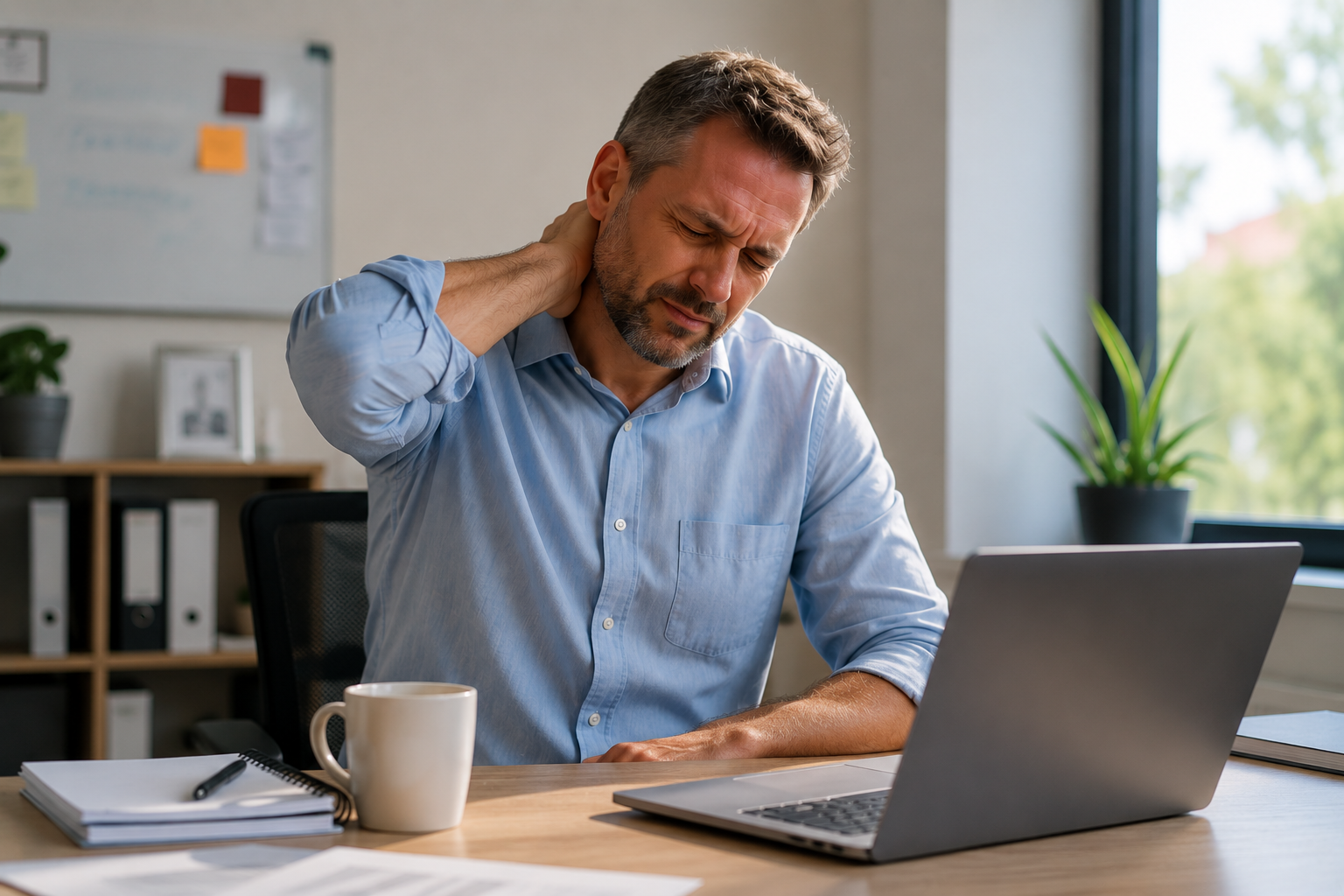
Spinal Cord Stimulator vs. Pain Medications: Which Treatment Is Right for Chronic Pain?
Chronic pain can affect every part of life — from sleep and work to exercise, mood, and relationships. For many patients suffering from persistent neck pain, back pain, nerve pain, or failed back surgery syndrome, treatment often begins with medications. However, when pain continues despite conservative therapy, many patients begin looking for longer-term solutions that do not rely heavily on opioids.
One increasingly effective option is spinal cord stimulation.
At Pinnacle Spine & Neurosurgery, we help patients throughout Arkansas explore advanced treatments for chronic spine and nerve pain, including spinal cord stimulators (SCS) and minimally invasive pain solutions.
What Is a Spinal Cord Stimulator?
A spinal cord stimulator is a small implanted medical device designed to help reduce chronic nerve-related pain. The system delivers mild electrical impulses to the spinal cord, which alters how pain signals travel to the brain.
The device typically includes:
- Thin wires called leads placed near the spinal cord
- A small battery-powered generator implanted under the skin
- A handheld controller that allows patients to adjust settings
Modern spinal cord stimulators are highly advanced and can often provide significant pain relief without the sedating effects of long-term pain medications.
How Does a Spinal Cord Stimulator Work?
Pain signals travel from injured nerves through the spinal cord to the brain. A spinal cord stimulator modifies these signals before they reach the brain, helping decrease the sensation of pain.
Depending on the technology used, patients may experience:
- Reduced pain intensity
- Improved function and mobility
- Better sleep
- Reduced dependence on opioid medications
Many newer spinal cord stimulators work without producing the tingling sensation that older devices created.
Candidates for Spinal Cord Stimulators
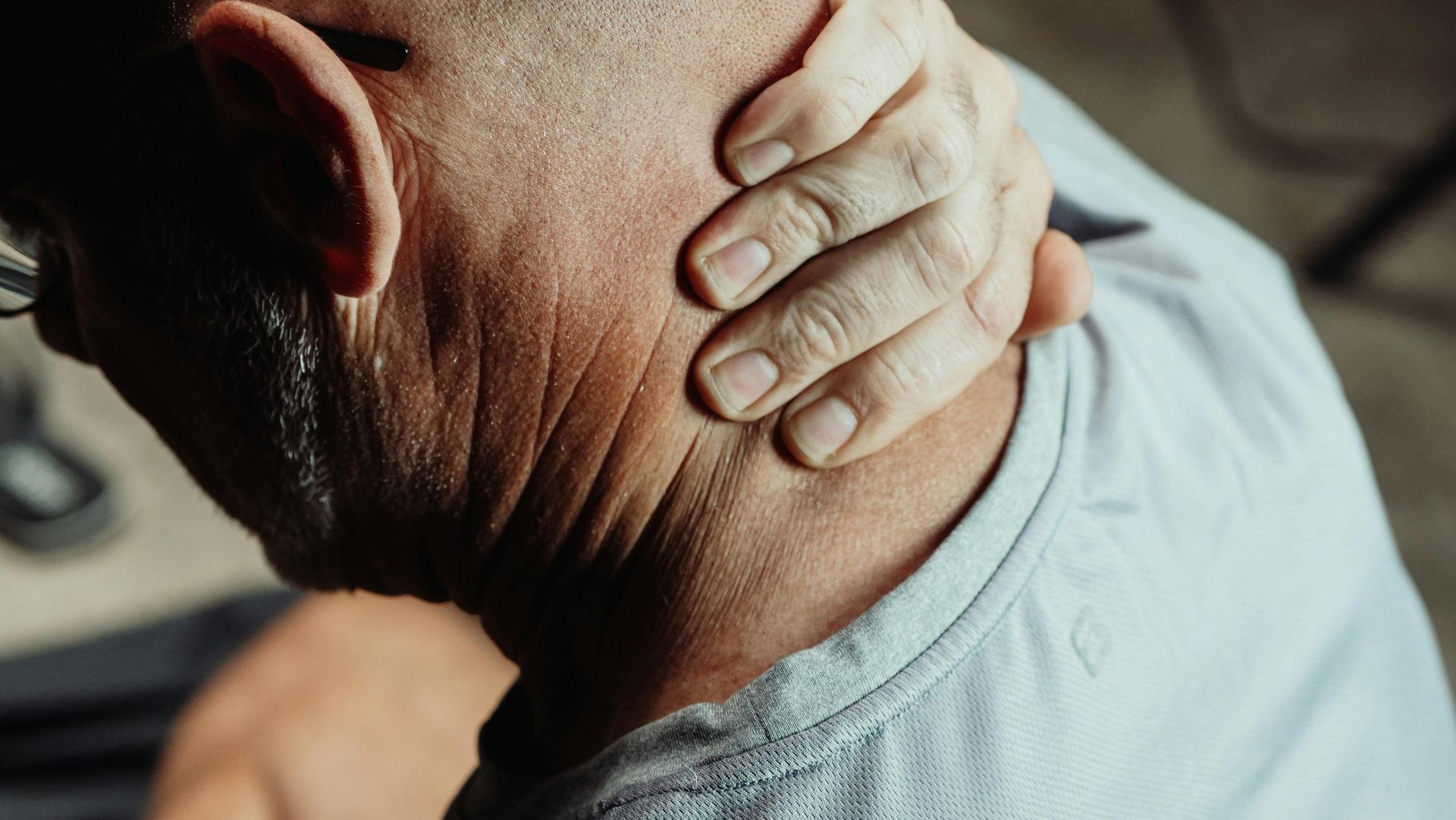
Patients may be candidates for spinal cord stimulation if they suffer from:
- Chronic back or neck pain
- Sciatica or lumbar radiculopathy
- Failed back surgery syndrome (FBSS)
- Complex regional pain syndrome (CRPS)
- Peripheral neuropathy
- Chronic nerve pain after spine surgery
- Persistent pain despite injections, therapy, or medications
In general, spinal cord stimulation is considered after conservative treatments have failed but before patients become dependent on escalating opioid doses.
A trial procedure is usually performed first to determine whether the device provides meaningful pain relief before permanent implantation.
Pain Medications for Treating Chronic Pain
Pain medications work in several different ways depending on the medication type.
Common chronic pain medications include:
- Anti-inflammatory medications (NSAIDs)
- Muscle relaxers
- Nerve pain medications such as gabapentin or pregabalin
- Opioids such as hydrocodone or oxycodone
These medications may help reduce inflammation, calm irritated nerves, or block pain signals temporarily.
For some patients, medications can be very effective — especially for acute pain or short-term flare-ups.
When Are Pain Medications an Appropriate Treatment for Chronic Pain?
Pain medications may be appropriate when:
- Pain is temporary or expected to improve
- Symptoms are mild to moderate
- Patients are recovering from surgery or injury
- Other treatments are still being explored
- Used as part of a broader multidisciplinary treatment plan
However, medications alone often do not address the underlying cause of chronic spine-related pain.
Risks of Long-Term Pain Medication or Opioid Use
Long-term opioid use carries significant risks, including:
- Tolerance requiring higher doses over time
- Physical dependence
- Addiction
- Sedation and mental fog
- Constipation
- Hormonal dysfunction
- Increased fall risk
- Reduced quality of life
Many patients also discover that opioids become less effective over time while side effects increase.
Because of these concerns, many patients seek alternatives that may reduce or eliminate the need for chronic opioid therapy.
Key Differences Between a Spinal Cord Stimulator and Pain Medication
| Spinal Cord Stimulator | Pain Medications |
|---|---|
| Targets pain signals directly | Temporarily masks pain |
| Long-term treatment option | Often requires ongoing daily use |
| May reduce opioid dependence | Risk of tolerance and dependence |
| Minimally invasive implantation | Non-surgical |
| Adjustable and customizable | Medication effects may fluctuate |
| Focuses heavily on nerve pain | Can treat multiple pain types |
Both treatments have a role in chronic pain management, but spinal cord stimulation is often considered when medications are no longer providing adequate relief or side effects become problematic.
Can a Spinal Cord Stimulator Reduce Opioid Use?
Potential benefits include:
- Reduced chronic pain
- Improved daily function
- Better sleep quality
- Reduced reliance on opioids
- Minimally invasive procedure
- Reversible therapy
- Trial period before permanent implantation
- Adjustable programming customized to the patient
For properly selected patients, spinal cord stimulation can be life-changing.
When Should You See a Spine Specialist for Chronic Pain?
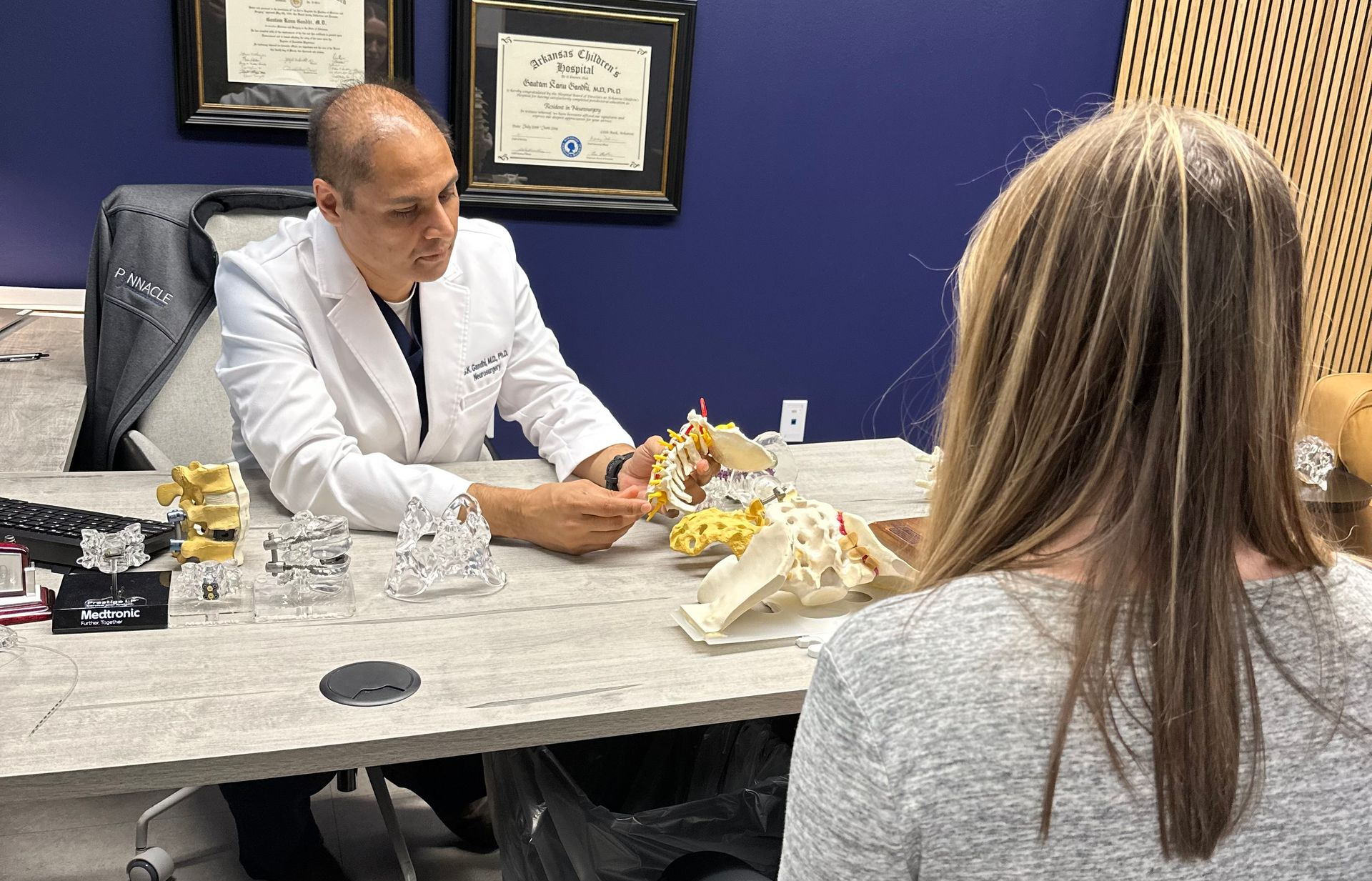
You should consider seeing a spine specialist if:
- Pain lasts longer than 3 months
- Symptoms continue despite therapy or injections
- Pain medications are becoming less effective
- You are relying increasingly on opioids
- Pain interferes with work, sleep, or quality of life
- You have persistent nerve pain after spine surgery
A comprehensive evaluation can help determine whether additional imaging, minimally invasive procedures, spinal cord stimulation, or surgery may be appropriate.
Frequently Asked Questions
Can a spinal cord stimulator replace opioids?
In some patients, yes. Many individuals reduce or eliminate opioid medications after successful spinal cord stimulator implantation, although results vary from patient to patient.
Is spinal cord stimulation permanent?
The therapy itself is long-term, but the system is reversible. The device can be removed if necessary.
What pain conditions respond best to spinal cord stimulators?
Common conditions include:
- Failed back surgery syndrome
- Chronic sciatica
- Lumbar radiculopathy
- CRPS
- Peripheral neuropathy
- Chronic nerve-related back or leg pain
Are spinal cord stimulators safe?
Spinal cord stimulation is generally considered safe when performed by experienced specialists. As with any procedure, risks include infection, bleeding, lead migration, or hardware malfunction.
How successful are spinal cord stimulators?
Success rates vary depending on the condition being treated and patient selection. Many patients experience meaningful pain reduction and improved function after implantation.
What are the disadvantages of spinal cord stimulators?
Potential disadvantages include:
- Surgical implantation required
- Possible need for battery replacement
- Risk of lead movement
- Incomplete pain relief
- Insurance approval requirements
How long do spinal cord stimulators last?
Battery life depends on the device type and usage. Rechargeable systems may last many years before replacement is needed.
Can I still take medication with a spinal cord stimulator?
Yes. Some patients still require medications after implantation, although many are able to reduce the amount needed.
Advanced Chronic Pain Treatment in Arkansas
At Pinnacle Spine & Neurosurgery, we specialize in advanced treatments for chronic spine and nerve pain, including minimally invasive spine surgery and spinal cord stimulation. We've helped patients dealing with a variety of spine and neurological conditions.
If chronic pain is affecting your quality of life and conservative treatments are no longer helping, our team can help determine whether spinal cord stimulation may be an option for you. We have clinics in Conway, Hot Springs, and Little Rock, AR.
Schedule a Consultation
Schedule a consultation today to learn more about spinal cord stimulators and chronic pain treatment options.
Author: Dr. Gautam Gandhi
Date Published: May 15, 2026