Spinal Stenosis: Why Walking Makes Your Pain Worse
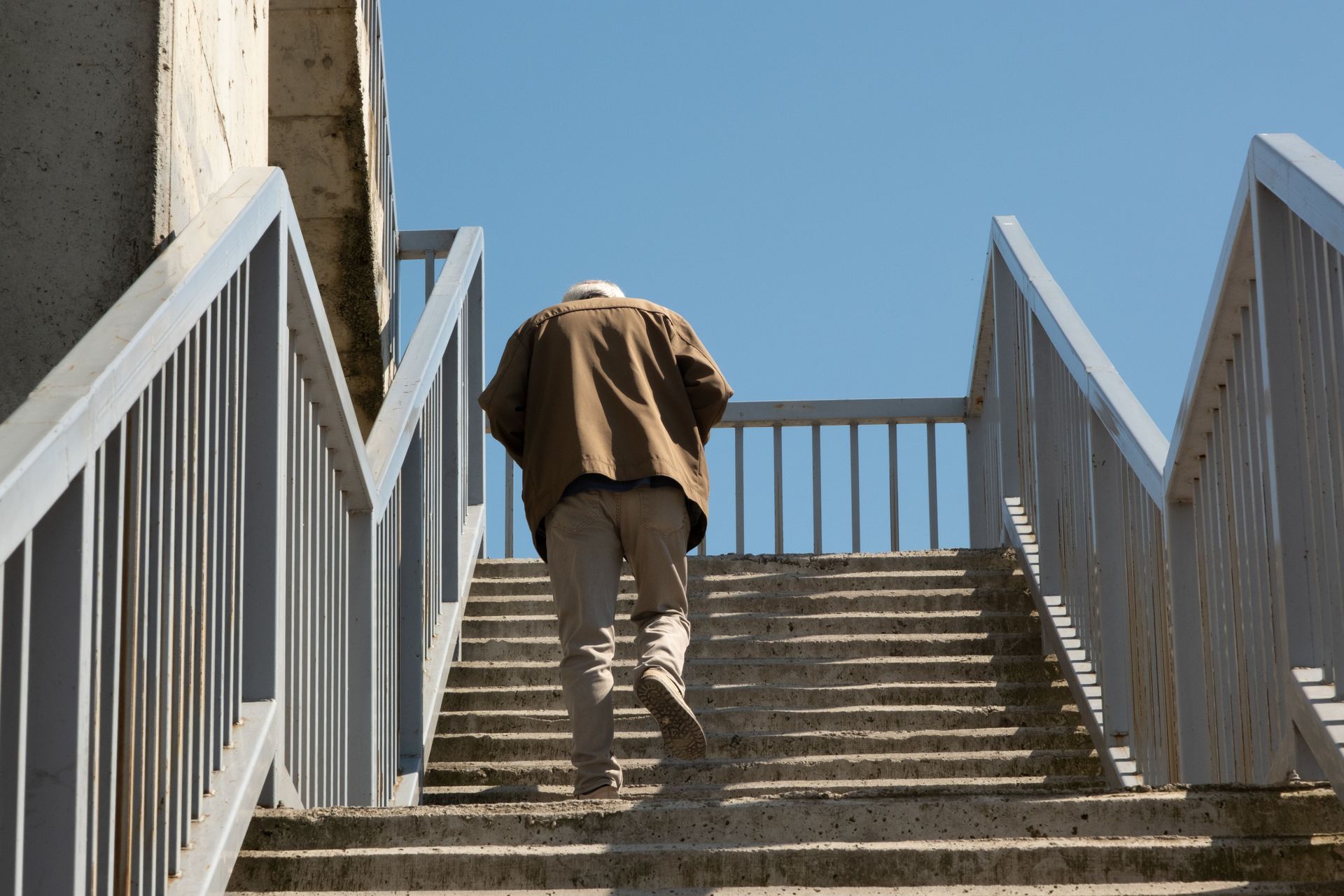
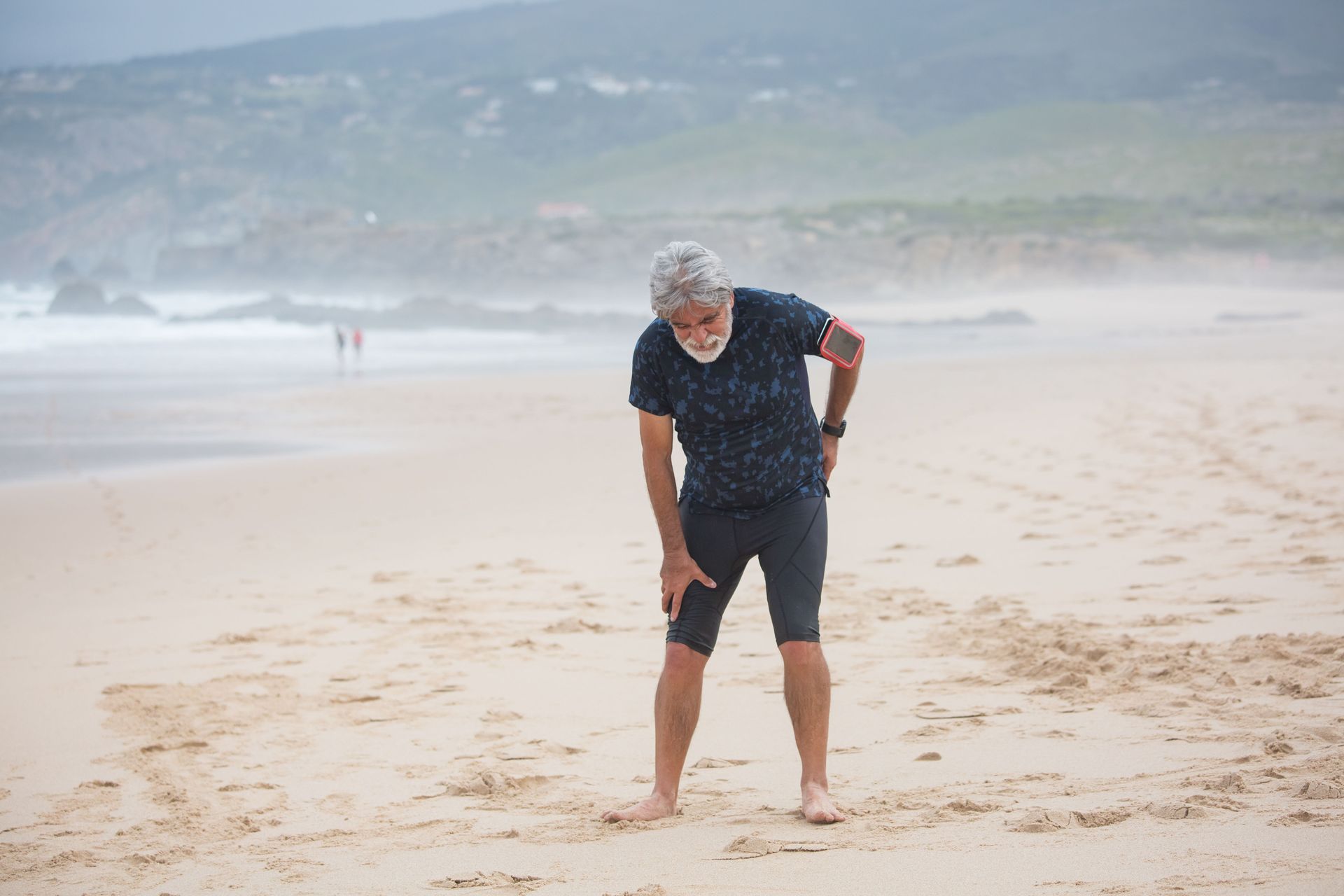
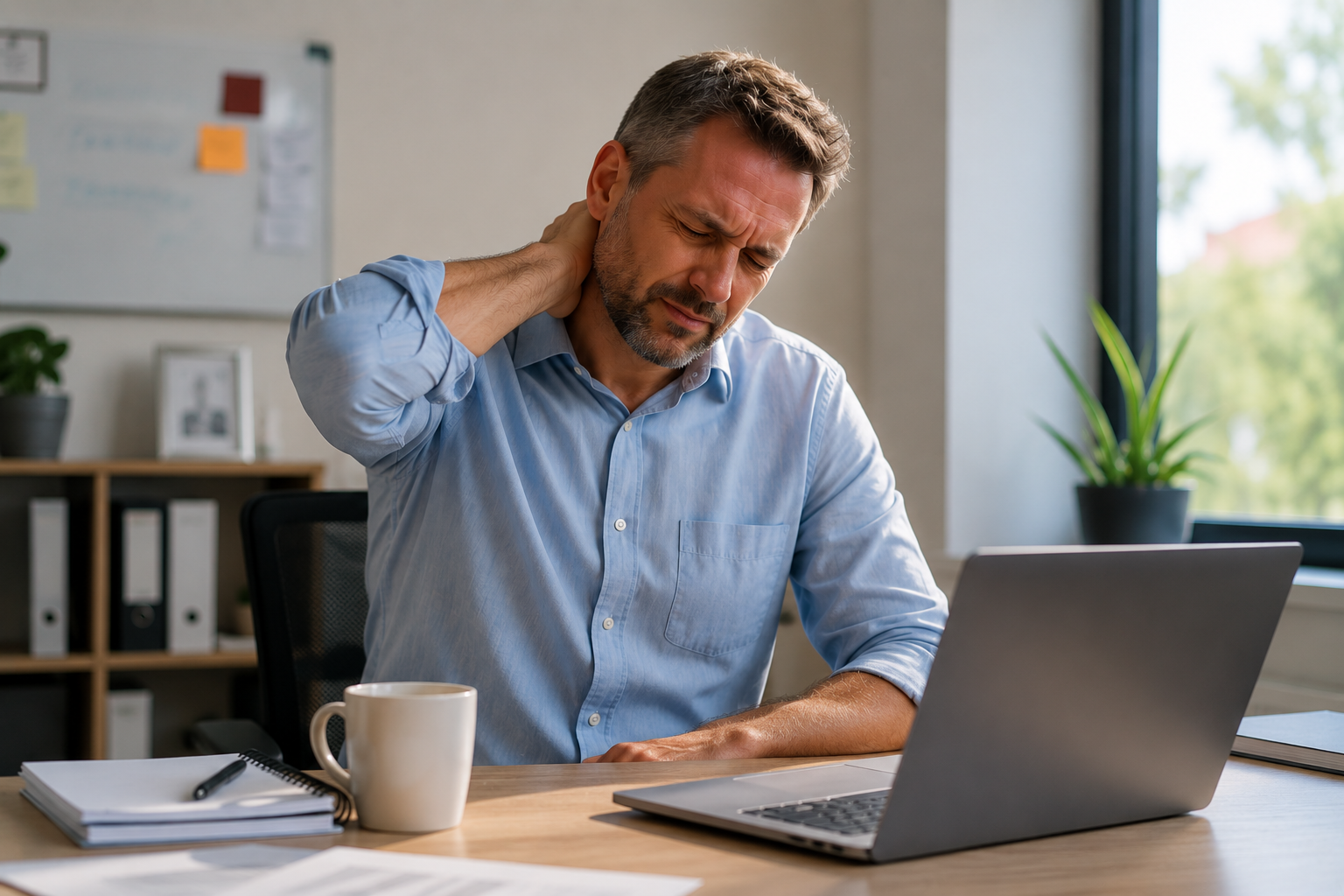
Many patients with spinal stenosis notice a frustrating pattern: they can stand or walk for only a short period before developing pain, numbness, or weakness in their legs. However, the symptoms often improve when they sit down or lean forward.
At Pinnacle Spine & Neurosurgery, we frequently evaluate patients throughout Little Rock, Conway, Hot Springs, and Central Arkansas who are experiencing symptoms caused by lumbar spinal stenosis. Because these symptoms can develop gradually over time, many patients mistakenly assume they are simply part of the aging process.
Understanding the signs of spinal stenosis can help patients seek appropriate treatment before symptoms significantly impact quality of life.
What Is Spinal Stenosis?
Spinal stenosis occurs when the spaces within the spinal canal become narrowed, placing pressure on the spinal cord or nearby nerves.
This condition most commonly affects the lower back (lumbar spine) and is often associated with age-related changes in the spine.
Common causes include:
- Degenerative disc disease
- Arthritis of the spine
- Thickened ligaments
- Bone spurs
- Herniated discs
- Prior spine injuries
As the spinal canal narrows, nerves may become compressed, leading to pain and neurological symptoms.
Why Does Walking Make Symptoms Worse?

One of the hallmark signs of lumbar spinal stenosis is a condition known as neurogenic claudication.
As patients stand upright or walk, the spinal canal may become even narrower, increasing pressure on the nerves.
This can lead to:
- Pain in the lower back
- Buttock pain
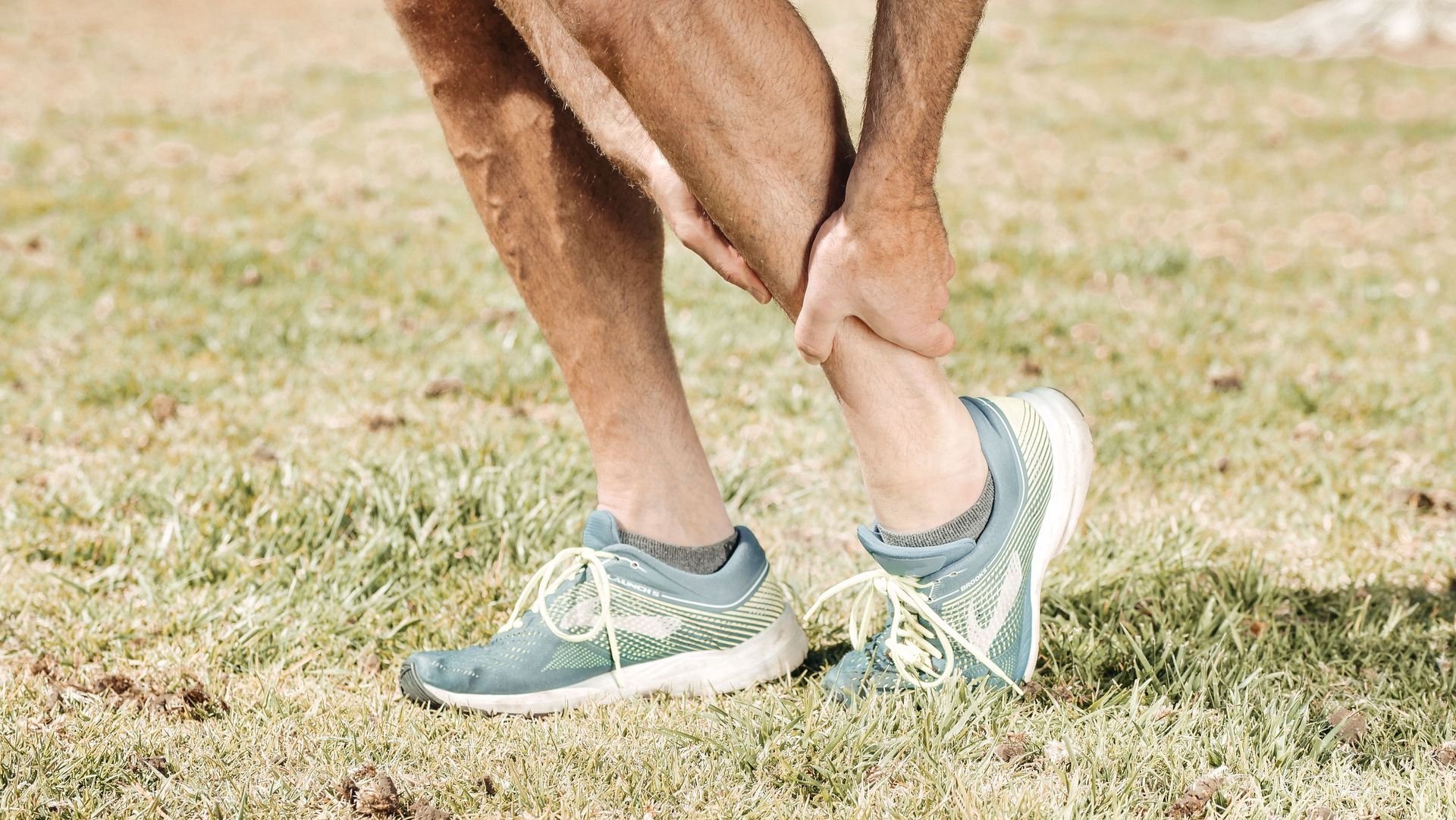
- Leg pain
- Numbness or tingling
- Leg weakness
- Difficulty walking long distances
Many patients notice that symptoms improve when they sit down, bend forward, or lean on a shopping cart while walking.
This forward-flexed position temporarily creates more space within the spinal canal and reduces pressure on the nerves.
Common Symptoms of Spinal Stenosis
Symptoms vary depending on the severity of nerve compression, but commonly include:
- Lower back pain
- Pain radiating into one or both legs
- Numbness or tingling in the legs or feet
- Leg weakness
- Difficulty standing for prolonged periods
- Reduced walking endurance
- Balance problems
In severe cases, symptoms may progressively worsen and interfere with daily activities, exercise, and work.
How Is Spinal Stenosis Diagnosed?
Accurate diagnosis begins with a comprehensive evaluation.
This typically includes:
- Detailed medical history
- Physical examination
- Neurological assessment
- X-rays
- MRI imaging
- CT scans when appropriate
Advanced imaging often helps identify the location and severity of spinal canal narrowing.
Non-Surgical Treatment Options
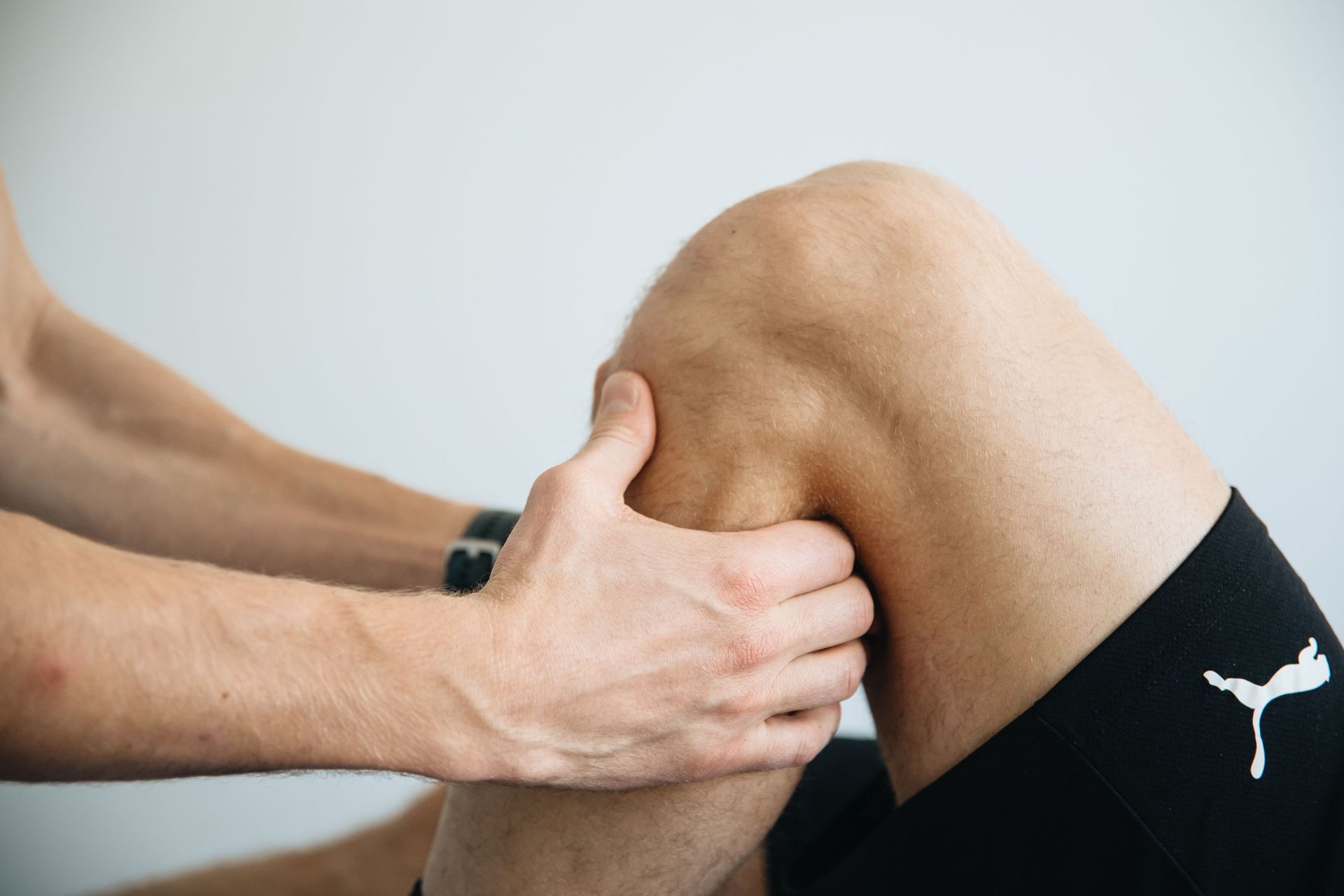
Many patients experience improvement with conservative treatment.
Treatment options may include:
- Physical therapy
- Anti-inflammatory medications
- Activity modification
- Epidural steroid injections
- Weight management
- Home exercise programs
The goal of non-surgical treatment is to reduce inflammation, improve function, and help patients remain active.
When Is Surgery Considered?
Surgery may be considered when symptoms persist despite conservative treatment or when neurological symptoms continue to worsen.
Common reasons for surgical evaluation include:
- Progressive leg weakness
- Severe walking limitations
- Persistent nerve pain
- Failure of non-surgical treatment
- Significant impact on daily activities
In many cases, minimally invasive surgical techniques can be used to relieve pressure on the affected nerves while minimizing disruption to surrounding tissues.
At Pinnacle Spine & Neurosurgery, Dr. Gautam Gandhi utilizes advanced imaging and minimally invasive spine surgery techniques whenever appropriate to help optimize patient outcomes.
When Should You See a Spine Specialist?
You should consider evaluation if you experience:
- Leg pain that worsens with walking
- Difficulty standing for extended periods
- Numbness or tingling in the legs
- Progressive weakness
- Symptoms that interfere with work, exercise, or daily activities
Early evaluation may help identify treatment options before symptoms become more severe.
Spinal Stenosis Treatment in Arkansas
Pinnacle Spine & Neurosurgery provides evaluation and treatment for lumbar spinal stenosis and other degenerative spine conditions for patients in:
- Little Rock
- Conway
- Hot Springs
- Central Arkansas
Our goal is to identify the true source of pain and develop an individualized treatment plan tailored to each patient's condition and lifestyle.
Schedule a Consultation
If leg pain, numbness, or difficulty walking is limiting your daily activities, spinal stenosis may be the cause.
To learn more or schedule a consultation with Dr. Gautam Gandhi at Pinnacle Spine & Neurosurgery, contact our office today. For more information about how to prepare for your first visit, you can refer to our patient information. Watch testimonials from our past patients to learn more about what it's like to receive care at Pinnacle Spine & Neurosurgery.
Author: Dr. Gautam Gandhi
Date Published: June 2, 2026