What Should You Avoid If You Have Sacroiliitis?
Quick Summary
Sacroiliitis can make everyday movements painful. Patients may feel discomfort in the lower back, buttock, hip, groin, or upper leg, especially during standing, walking, climbing stairs, or certain exercises.
Knowing what to avoid can help reduce irritation of the sacroiliac joint and prevent symptoms from flaring. However, avoiding all movement is usually not the answer. The goal is to reduce painful stress on the SI joint while maintaining strength, flexibility, and mobility.

What Is Sacroiliitis?
Sacroiliitis is inflammation or irritation of the sacroiliac joint, also called the SI joint. This joint connects the lower spine to the pelvis and helps transfer force between the upper body and legs.
When the SI joint becomes painful, symptoms can feel like lower back pain, hip pain, buttock pain, groin pain, or even pain traveling into the thigh. Because sacroiliitis can mimic other conditions, diagnosis often requires a careful exam and, in some cases, imaging or diagnostic injections.
Should You Rest Completely With Sacroiliitis?
Usually, complete bed rest is not recommended for most cases of sacroiliitis. Short periods of rest may help during a painful flare-up, but prolonged inactivity can lead to stiffness, weakness, and worsening mobility.
Instead, patients are usually encouraged to avoid movements that clearly worsen pain while staying gently active as tolerated. A physical therapy program may help identify safe exercises and improve pelvic stability.

Activities That May Worsen Sacroiliitis
Certain activities can place increased stress on the SI joint and trigger pain.
Patients with sacroiliitis may need to avoid or modify:
- Heavy lifting
- Repetitive bending
- Twisting at the waist
- Running or jumping during flare-ups
- High-impact workouts
- Heavy squats or deadlifts
- Deep lunges
- Climbing many stairs
- Walking long distances during a flare-up
- Standing for prolonged periods
- Sitting for long periods without support
- Crossing the legs while sitting
- Sleeping in twisted positions
- Carrying heavy weight on one side of the body
Not every patient has the same triggers. What worsens symptoms for one person may not bother another. The key is to recognize patterns and avoid activities that consistently increase pain.
Exercises to Be Careful With
Exercise can be very helpful for sacroiliitis, but some exercises may aggravate the SI joint, especially during a flare-up.
Exercises to be cautious with may include:
- Heavy barbell squats
- Heavy deadlifts
- Box jumps
- Burpees
- Running on uneven ground
- Deep twisting stretches
- Aggressive yoga positions
- Single-leg exercises that cause pelvic pain
- High-resistance cycling if it worsens symptoms
- Sit-ups or movements that strain the pelvis
These activities are not always permanently off-limits, but they may need to be modified, reduced, or avoided temporarily.

Movements That Often Trigger SI Joint Pain
Sacroiliitis pain often worsens with movements that load or rotate the pelvis.
Common triggers include:
- Getting out of a car
- Rising from a chair
- Rolling over in bed
- Climbing stairs
- Taking long strides
- Standing on one leg
- Bending and twisting together
- Lifting while turning
- Carrying a child or heavy bag on one side
Patients can often reduce symptoms by moving more deliberately, avoiding sudden twisting, and keeping the pelvis aligned during activity.
What Sitting Positions Should You Avoid?
Sitting posture can affect SI joint pain. Some patients feel worse when sitting for long periods or sitting in positions that rotate the pelvis.
You may need to avoid:
- Sitting with legs crossed
- Sitting on a soft couch for long periods
- Sitting with weight shifted to one side
- Sitting with a wallet in the back pocket
- Sitting twisted toward a computer or phone
- Long car rides without breaks
Better sitting habits may include keeping both feet flat, sitting evenly on both hips, using lumbar support, and standing up periodically to change positions.
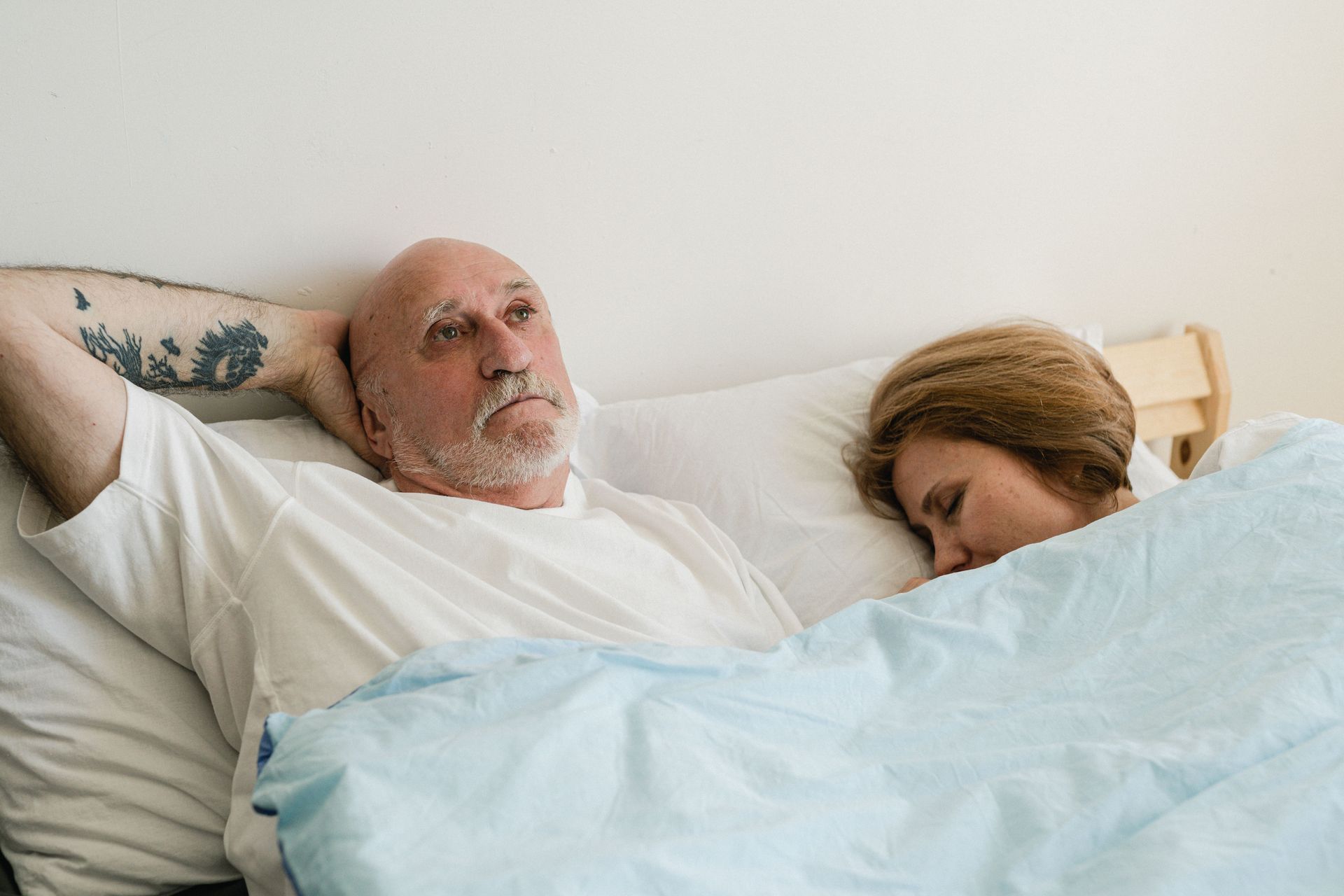
What Sleeping Positions Should You Avoid?
Sleep position can also affect sacroiliitis. Some patients wake up with worse pain because the pelvis is rotated or unsupported during the night.
You may need to avoid:
- Sleeping on the painful side
- Sleeping twisted at the waist
- Sleeping with one leg pulled far across the body
- Sleeping on a mattress that allows the pelvis to sag
- Sleeping without knee support if side sleeping causes pain
Side sleepers may benefit from placing a pillow between the knees. Back sleepers may benefit from a pillow under the knees to reduce strain on the lower back and pelvis.

What Should You Do Instead?
For many patients, the best approach is not complete avoidance, but smarter movement.
Helpful strategies may include:
- Gentle walking as tolerated
- Shorter, more frequent activity instead of long sessions
- Physical therapy focused on core, hip, and pelvic stability
- Stretching tight hip and lower back muscles carefully
- Avoiding sudden increases in activity
- Using proper lifting technique
- Taking breaks from prolonged sitting or standing
- Maintaining a healthy weight
- Wearing supportive shoes
- Using heat or ice during flare-ups
- Considering SI joint injections when appropriate
A personalized treatment plan is often more effective than trying to manage symptoms with general advice alone.
When Should You See a Spine Specialist?
You should consider seeing a spine specialist if sacroiliitis symptoms continue despite avoiding triggers or if pain keeps coming back.
Evaluation may be helpful if:
- Pain is persistent or worsening
- Pain interferes with walking, standing, sitting, or sleeping
- Pain travels into the hip, groin, buttock, or leg
- You are unsure whether pain is coming from the SI joint, hip, or lower back
- Symptoms do not improve with physical therapy or medications
- You have repeated flare-ups
- Pain limits work, exercise, or daily activities
A spine specialist can help determine whether the SI joint is the true source of pain and discuss treatment options.

Schedule a Consultation
If you have sacroiliitis, knowing what to avoid can help reduce flare-ups — but persistent SI joint pain should not be ignored.
At Pinnacle Spine & Neurosurgery, we evaluate and treat patients with sacroiliitis, SI joint pain, lower back pain, buttock pain, hip pain, and related symptoms throughout Little Rock, Conway, Hot Springs, and Central Arkansas.
If your pain is limiting your activity or keeps returning despite conservative care, please request a referral from your primary care provider and then contact Pinnacle Spine & Neurosurgery to schedule a consultation. To hear about some of our patients' experiences at our clinic, view their testimonials.
Author: Dr. Gandhi
Date Published: October 7, 2026