What Causes My Sacroiliitis to Flare Up?
Sacroiliitis can cause pain in the lower back, buttock, hip, groin, or upper leg. For many patients, the pain is not constant every day. Instead, symptoms may flare up after certain activities, positions, or periods of stress on the sacroiliac joint.
The sacroiliac joint, or SI joint, is located where the lower spine meets the pelvis. When this joint becomes irritated or inflamed, everyday movements can sometimes trigger pain. Understanding what causes sacroiliitis to flare up can help patients better manage symptoms and know when to seek treatment.
What Is Sacroiliitis?
Sacroiliitis is inflammation or irritation of one or both sacroiliac joints. These joints help transfer weight and force between the spine, pelvis, and legs.
When the SI joint becomes painful, symptoms may be felt in the lower back, buttock, hip, pelvis, groin, or upper thigh. Sacroiliitis can sometimes feel like hip pain, sciatica, or a lumbar spine problem, which is why proper evaluation is important.
Common Causes of Sacroiliitis Flare-Ups
Sacroiliitis symptoms may worsen when the SI joint is placed under increased stress. Some patients notice a clear trigger, while others have flare-ups that seem to come and go.
Common causes of sacroiliitis flare-ups include:
- Prolonged standing
- Walking long distances
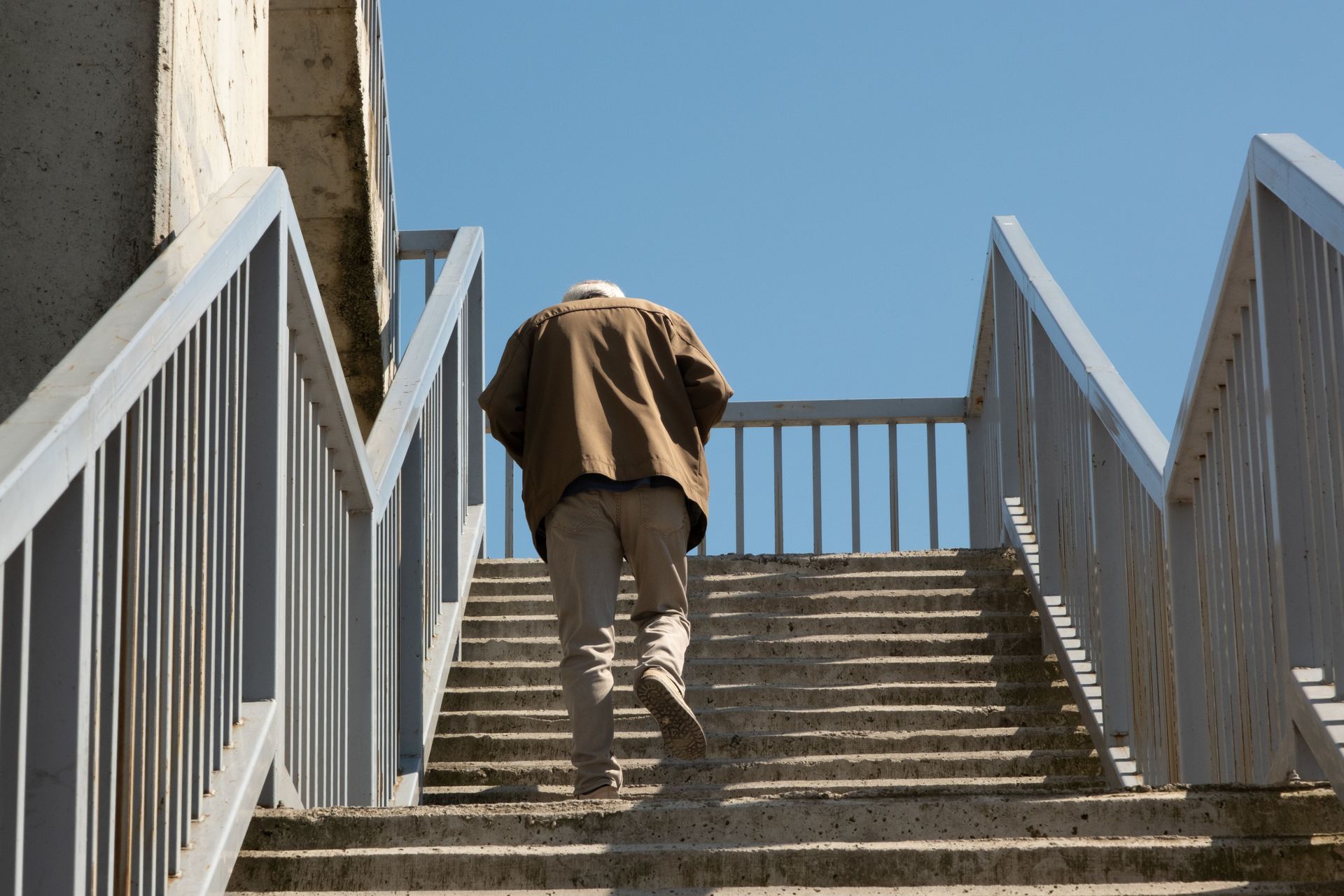
- Climbing stairs
- Running or high-impact activity
- Sitting for too long
- Getting up from a low chair
- Lifting heavy objects
- Twisting or bending
- Sleeping in an uncomfortable position
- Uneven walking surfaces
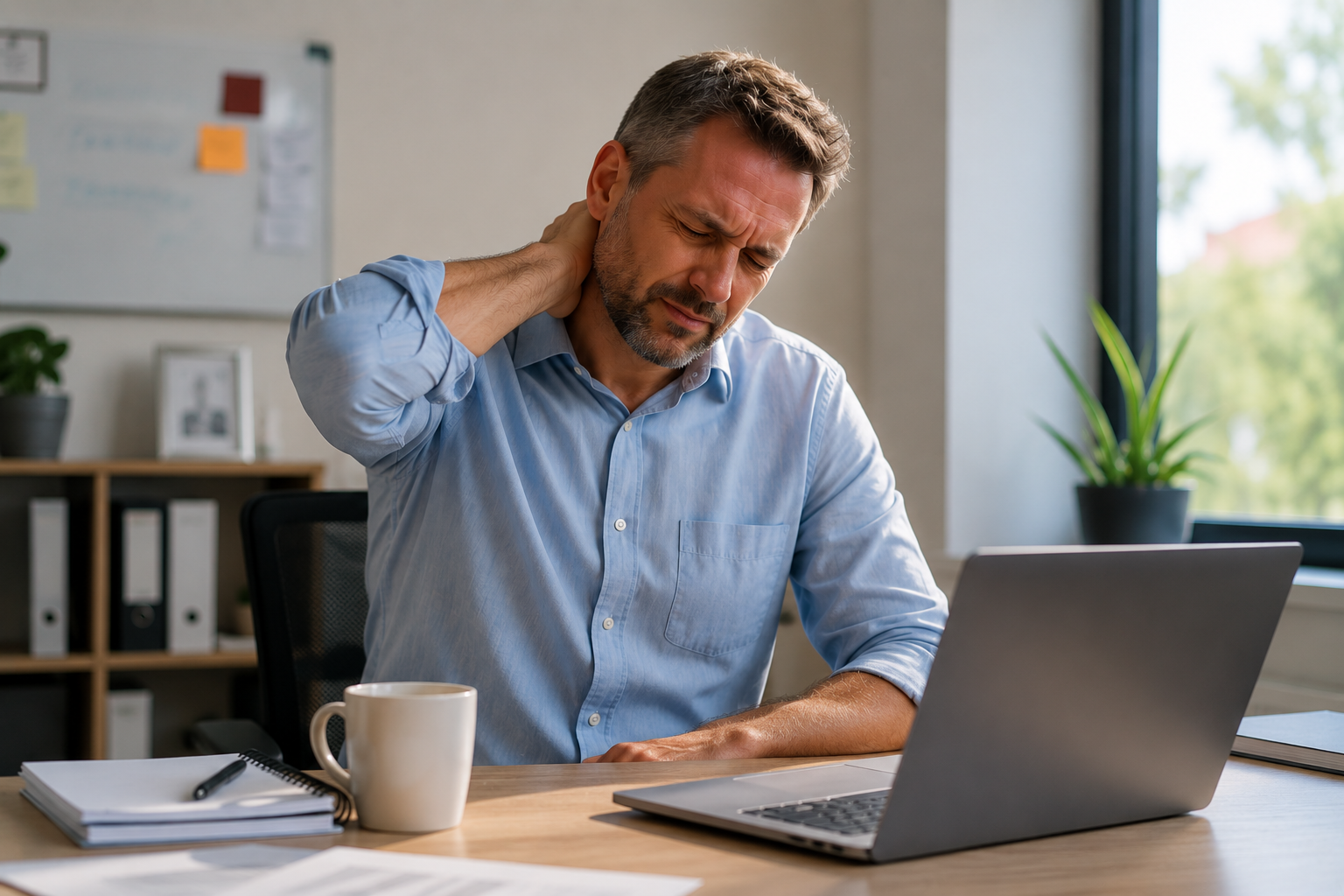
- Poor posture
- Sudden increase in activity
- Pregnancy-related pelvic changes
- Arthritis or inflammatory conditions
- Prior spine, hip, or pelvic injury
Even small changes in activity can trigger symptoms if the SI joint is already irritated.
Why Does Standing or Walking Make Sacroiliitis Worse?
The SI joint helps transfer weight from the upper body into the pelvis and legs. When you stand, walk, climb stairs, or shift weight from one leg to the other, the SI joint absorbs force.
If the joint is inflamed, unstable, or irritated, these normal movements may become painful. Patients may notice pain on one side of the lower back or buttock that worsens the longer they stand or walk.
Some patients also feel worse when walking on uneven ground, taking long strides, or climbing hills because these movements place more rotational stress across the pelvis.
Can Sitting Cause a Sacroiliitis Flare-Up?
Yes. Although many patients notice pain with standing or walking, sitting can also aggravate sacroiliitis.
Sitting for a long time can place pressure across the lower back, pelvis, and SI joint. Some patients feel worse when sitting in a car, sitting on a soft couch, or sitting with poor posture.
Pain may also flare when getting up from a seated position. This is because the pelvis and SI joint must transition from a fixed sitting position into standing and walking.

Can Exercise Make Sacroiliitis Worse?
Exercise can be helpful for sacroiliitis when it focuses on proper stretching, strengthening, and pelvic stabilization. However, certain exercises can flare symptoms if they place too much stress on the SI joint.
Activities that may worsen sacroiliitis include:
- Heavy squats
- Heavy deadlifts
- Running
- Jumping
- High-impact workouts
- Aggressive twisting exercises
- Deep lunges
- Uneven single-leg movements
- Sudden increases in workout intensity
This does not mean patients should avoid all exercise. Instead, activity should be modified based on symptoms. Physical therapy can often help patients learn which movements are safe and which should be avoided during a flare-up.
Can Stress or Poor Sleep Make Sacroiliitis Feel Worse?
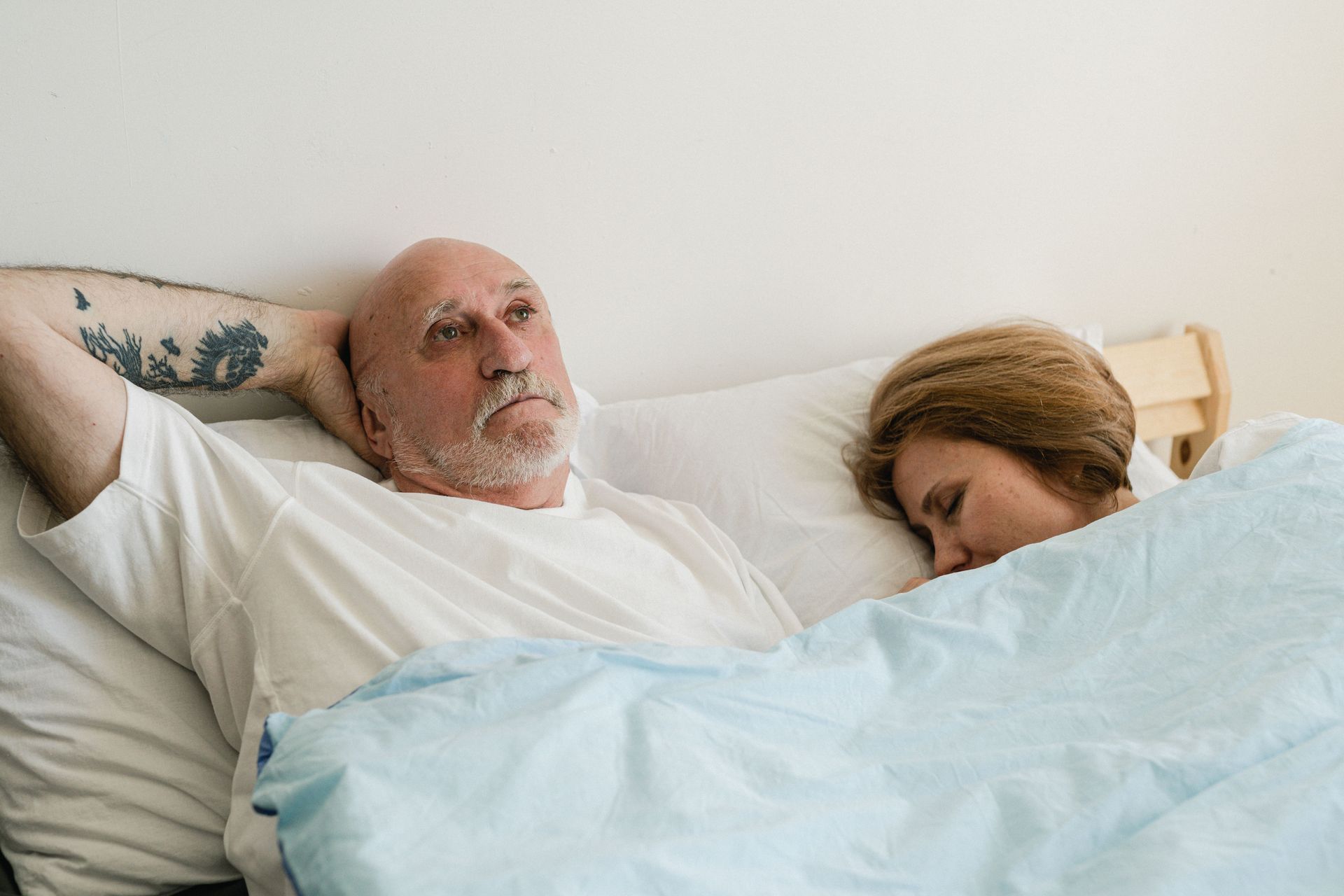
Yes. Pain is often influenced by sleep quality, stress, inflammation, and overall health. When patients are not sleeping well, the body may be more sensitive to pain.
Stress can also lead to increased muscle tension around the lower back, hips, and pelvis. This may place additional strain on the SI joint and make symptoms feel worse.
How Can I Calm Down a Sacroiliitis Flare-Up?
The right treatment depends on the cause and severity of the flare-up. Some general strategies may include:
- Resting from painful activities for a short period
- Avoiding heavy lifting or twisting
- Using ice or heat
- Taking anti-inflammatory medication if safe and recommended
- Gentle walking if tolerated
- Avoiding prolonged sitting or standing
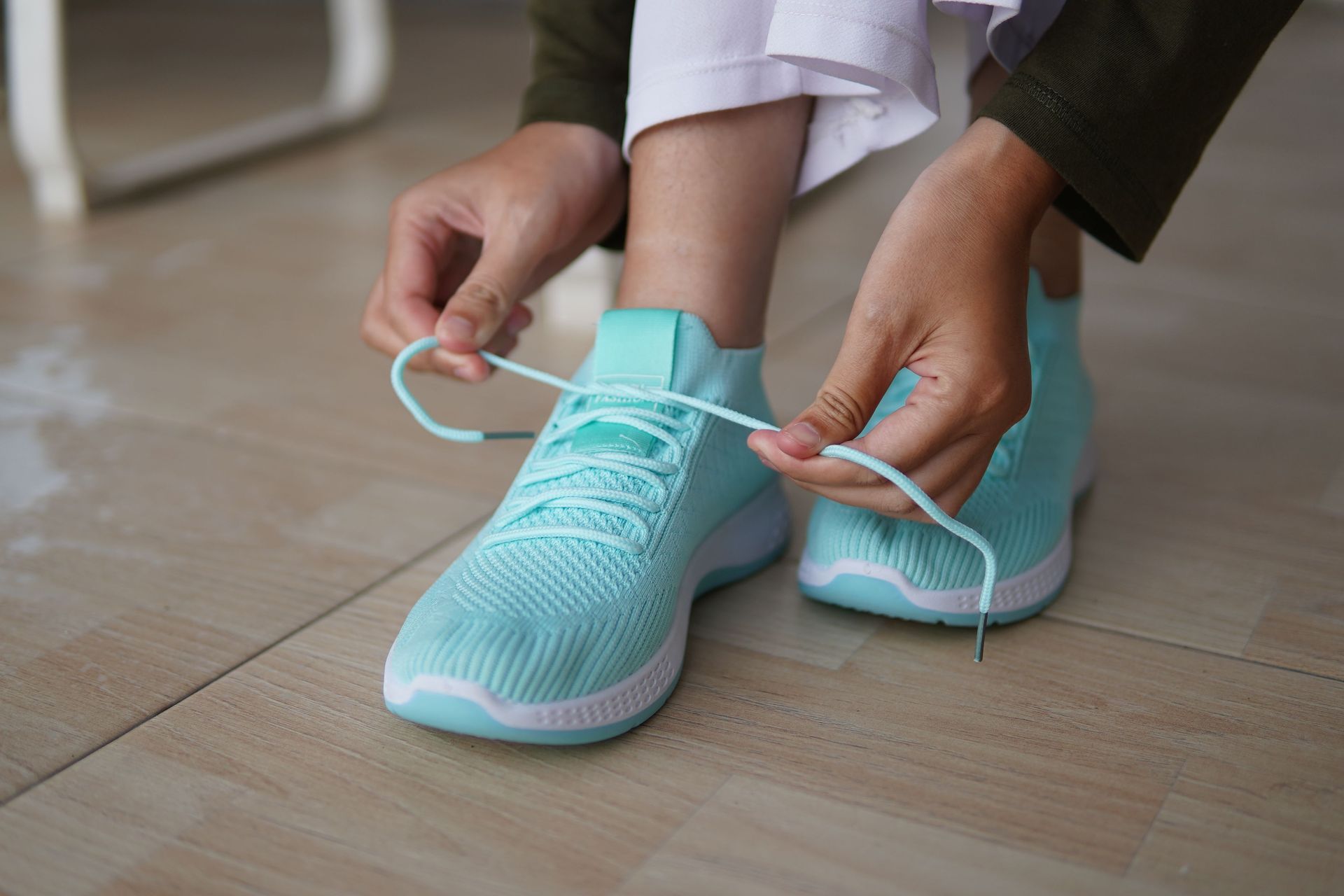
- Using supportive shoes
- Sleeping with better pelvic support
- Working with physical therapy
- Considering image-guided SI joint injections when appropriate
If pain keeps returning or does not improve, it may be time to see a
spine specialist.
When Should I See a Specialist?
You should consider seeing a spine specialist if sacroiliitis flare-ups are becoming more frequent, lasting longer, or interfering with daily life.
Evaluation may be helpful if:
- Pain has lasted more than several weeks
- Pain repeatedly returns after activity
- Pain affects walking, standing, work, or sleep
- Pain travels into the hip, groin, buttock, or leg
- You are unsure whether symptoms are coming from the hip, spine, or SI joint
- Physical therapy or medications have not provided lasting relief
- You have had prior spine, hip, or pelvic problems
A spine specialist can help determine whether your pain is truly coming from the SI joint or whether another condition, such as lumbar disc disease, spinal stenosis, sciatica, or hip arthritis, may be involved.

Schedule a Consultation
Sacroiliitis flare-ups can be frustrating, especially when symptoms interfere with walking, standing, sitting, sleeping, or daily activities. Identifying the source of the pain is the first step toward finding the right treatment.
At Pinnacle Spine & Neurosurgery, we evaluate and treat patients with lower back, buttock, hip, groin, and SI joint pain throughout Little Rock, Conway, Hot Springs, and Central Arkansas.
If your sacroiliitis keeps flaring up or your pain is not improving, contact Pinnacle Spine & Neurosurgery to schedule a consultation. Visit our testimonials page to hear about our patients' experiences.
Author: Dr. Gautam Gandhi | Spine Surgeon
Date Published: September 3, 2026