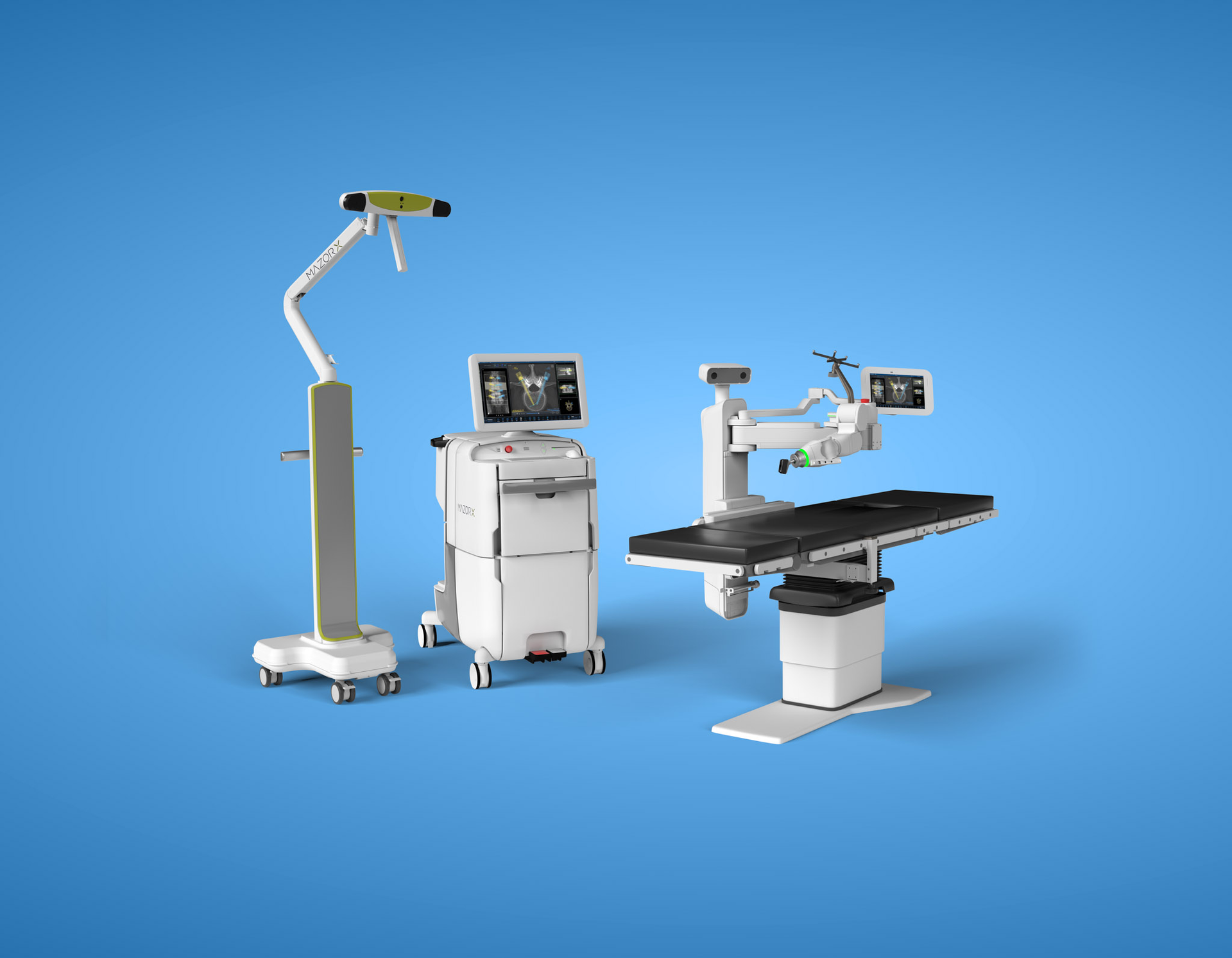
What Should I Expect During a Spinal Cord Stimulator Trial?
Living with chronic pain can affect nearly every part of your life—from work and sleep to exercise and time with family. When medications, injections, physical therapy, or previous spine treatments have not provided enough relief, a spinal cord stimulator (SCS) may be an option for certain patients.
One of the unique benefits of spinal cord stimulation is that you generally have an opportunity to try the therapy before committing to a permanent implant.
This temporary trial allows you and your medical team to evaluate how well spinal cord stimulation controls your pain and improves your daily function.

What Is a Spinal Cord Stimulator?
A spinal cord stimulator is a device designed to help manage certain types of chronic pain by delivering mild electrical stimulation near the spinal cord. These signals modify pain signaling within the nervous system and may reduce how strongly pain is experienced.
Spinal cord stimulation may be considered for certain patients with chronic nerve-related pain, including persistent back or leg pain, chronic radiculopathy, neuropathic pain, or pain that continues after previous spine surgery.
It is important to remember that spinal cord stimulation does not treat every type of back or neck pain. A thorough evaluation is necessary to determine whether the therapy is appropriate for your particular condition.
Why Is There a Trial Period?
Unlike many surgical procedures, spinal cord stimulation gives patients an opportunity to test the therapy before receiving the permanent device.
Think of the trial as a "test drive."
During the trial, temporary leads are positioned near the spinal cord and connected to an external stimulator. The system can then be programmed to target the areas where you experience pain.
The goal is not simply to ask, "Does my pain feel better?"
We also want to know whether the improvement is meaningful in your everyday life.
For example:
- Are you sleeping better?
- Can you stand or walk longer?
- Are routine activities easier?
- Has your reliance on pain medication changed?
- Are you able to participate in activities that pain previously prevented?
Those functional improvements can be just as important as a number on a pain scale.
What Happens During the Trial?
The temporary leads used for the trial are placed through the skin and positioned in the appropriate area near the spinal cord. The leads are connected to a small external stimulation device that you use during the trial period.
Your medical team will explain how to operate the system and may adjust the stimulation settings based on your response.
During the next several days, you will be asked to pay close attention to your symptoms and activities.
Keeping notes can be extremely helpful. Instead of simply remembering that you "felt better," record specific changes.
For example:
Before the trial: "I can only stand for about 10 minutes before my leg pain makes me sit down."
During the trial: "I was able to prepare dinner and clean the kitchen without needing to sit down."
Details like these help you and your medical team determine whether spinal cord stimulation is producing meaningful improvement.
Will I Have Restrictions During the Trial?
Yes. Because the temporary leads need to remain in the proper position, your medical team will give you specific activity and incision-care instructions.
You may be asked to limit activities such as bending, twisting, lifting, or strenuous exercise during the trial. You will also receive instructions about keeping the trial area clean and dry.
Following these restrictions is important because excessive movement can potentially cause the temporary leads to shift.
Always follow the instructions provided by your own medical team, since restrictions can vary depending on the procedure and the individual patient.

What Does a Successful Trial Look Like?
Success is individualized.
Pain reduction is certainly important, but the bigger question is whether spinal cord stimulation helps you function better and improves your quality of life.
Before your trial begins, it can be helpful to identify two or three activities that chronic pain regularly prevents you from doing.
Maybe you want to:
- Walk through the grocery store without stopping because of leg pain.
- Sleep through the night with fewer interruptions.
- Stand long enough to cook a meal.
- Attend a child's or grandchild's activity more comfortably.
- Spend more time gardening or working around the house.
Those goals give you something concrete to evaluate during the trial.
What Happens After the Trial?
At the end of the trial period, the temporary leads are removed and you and your medical team discuss the results.
If the trial provided meaningful pain relief and improved your ability to function, a permanent spinal cord stimulator may be considered.
If the trial did not provide adequate improvement, that information is valuable too. It may indicate that another treatment approach would be more appropriate.
A successful trial does not guarantee that every patient will experience the same degree of relief with a permanent implant, and spinal cord stimulation does carry potential risks and complications. Your physician should discuss the potential benefits, limitations, risks, and alternatives with you before treatment.
What Happens If I Decide to Have a Permanent Spinal Cord Stimulator?
A permanent spinal cord stimulator consists of leads and a small implanted pulse generator.
Today's spinal cord stimulation systems offer different technologies and programming options. Depending on the device, systems may be rechargeable or recharge-free and may use different patterns or methods of stimulation.
Rather than choosing a stimulator based solely on a brand name, the goal is to select a system that fits the patient's condition, treatment goals, anatomy, lifestyle, and other medical considerations.
Your surgeon can discuss which options may be appropriate for you.
Is a Spinal Cord Stimulator Right for Me?
Spinal cord stimulation can be an important treatment option for appropriately selected patients with chronic pain, but it is not the right treatment for everyone.
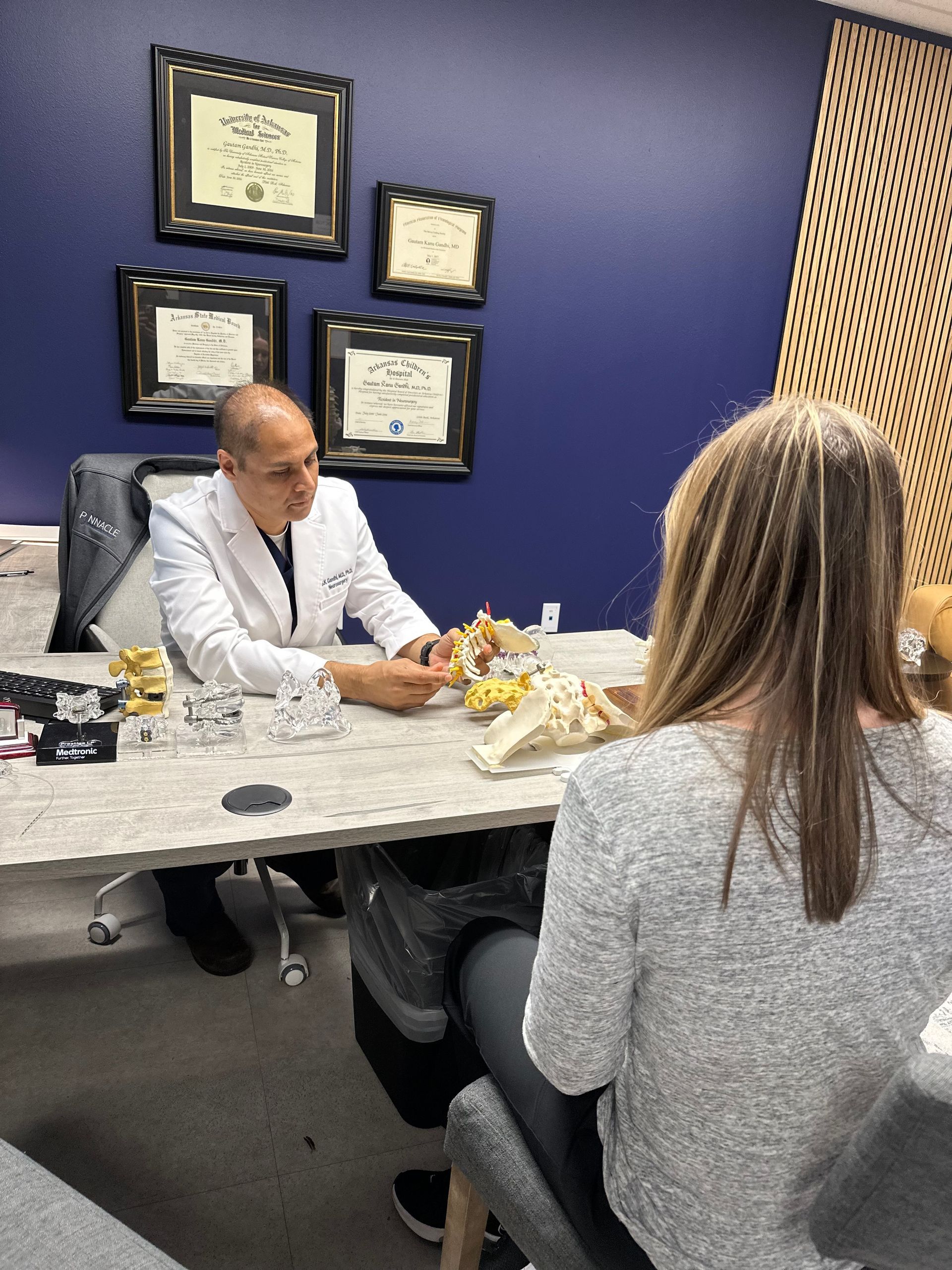
At Pinnacle Spine & Neurosurgery, our approach begins with understanding the source of your pain and evaluating your individual circumstances. Not every spine condition requires surgery, and treatment recommendations should be based on your diagnosis, previous treatments, symptoms, imaging, and personal goals.
For patients who may benefit from spinal cord stimulation, the trial provides valuable information before a decision is made about permanent implantation.
If chronic back, leg, or nerve pain continues to interfere with your quality of life despite other treatments, talk with your medical provider about whether an evaluation for spinal cord stimulation may be appropriate.
Pinnacle Spine & Neurosurgery serves patients in Little Rock, Conway, Hot Springs, and surrounding Arkansas communities. To request an appointment with Dr. Gautam Gandhi, please ask your provider to send a referral to our office. To learn more about patient experiences at Pinnacle Spine & Neurosurgery, you can view our patient testimonials.
This information is intended for general educational purposes and should not replace individualized medical advice. Treatment recommendations, risks, restrictions, and recovery vary by patient and by spinal cord stimulation system.
A Real-World Example
One patient we treated had continued to experience significant leg pain even after undergoing two previous lumbar spine surgeries. Because the pain persisted despite prior treatment, we discussed whether spinal cord stimulation might be an appropriate next step.
The patient proceeded with a spinal cord stimulator trial and experienced greater than 90% improvement in their pain during the trial period.
Based on that response, the patient chose to move forward with permanent spinal cord stimulator implantation.
While this was an excellent outcome, every patient's experience with spinal cord stimulation is different. Some patients experience substantial improvement, while others may have more modest relief or may determine during the trial that spinal cord stimulation is not the right treatment for them. This is precisely why the trial period is so valuable—it provides an opportunity to evaluate the therapy before committing to a permanent implant.
Individual results vary. This patient example has been generalized to protect patient privacy and should not be interpreted as a guarantee of similar results.
Author: Dr. Gandhi
Date Published: August 19, 2026