What Are the Restrictions After Artificial Disc Replacement?
Quick Summary
Artificial disc replacement is an advanced surgical treatment designed to relieve certain types of nerve compression and preserve motion in the spine. Unlike spinal fusion, which permanently joins two vertebrae together, artificial disc replacement allows the treated spinal segment to continue moving.
One of the most common questions patients ask is what they can and cannot do after surgery.
Although artificial disc replacement may allow an earlier return to certain activities than spinal fusion, postoperative restrictions remain important. The body still needs time for incision healing, soft tissue recovery, and stabilization of the artificial disc.
At Pinnacle Spine & Neurosurgery, Dr. Gautam Gandhi provides cervical artificial disc replacement for appropriately selected patients in Little Rock, Conway, Hot Springs, and throughout Central Arkansas.
What Is Artificial Disc Replacement?
Artificial disc replacement is a surgical procedure in which a damaged spinal disc is removed and replaced with a mechanical implant designed to preserve motion between adjacent vertebrae.
Cervical artificial disc replacement is performed in the neck and may be considered for selected patients with herniated discs, degenerative disc disease, or nerve compression.
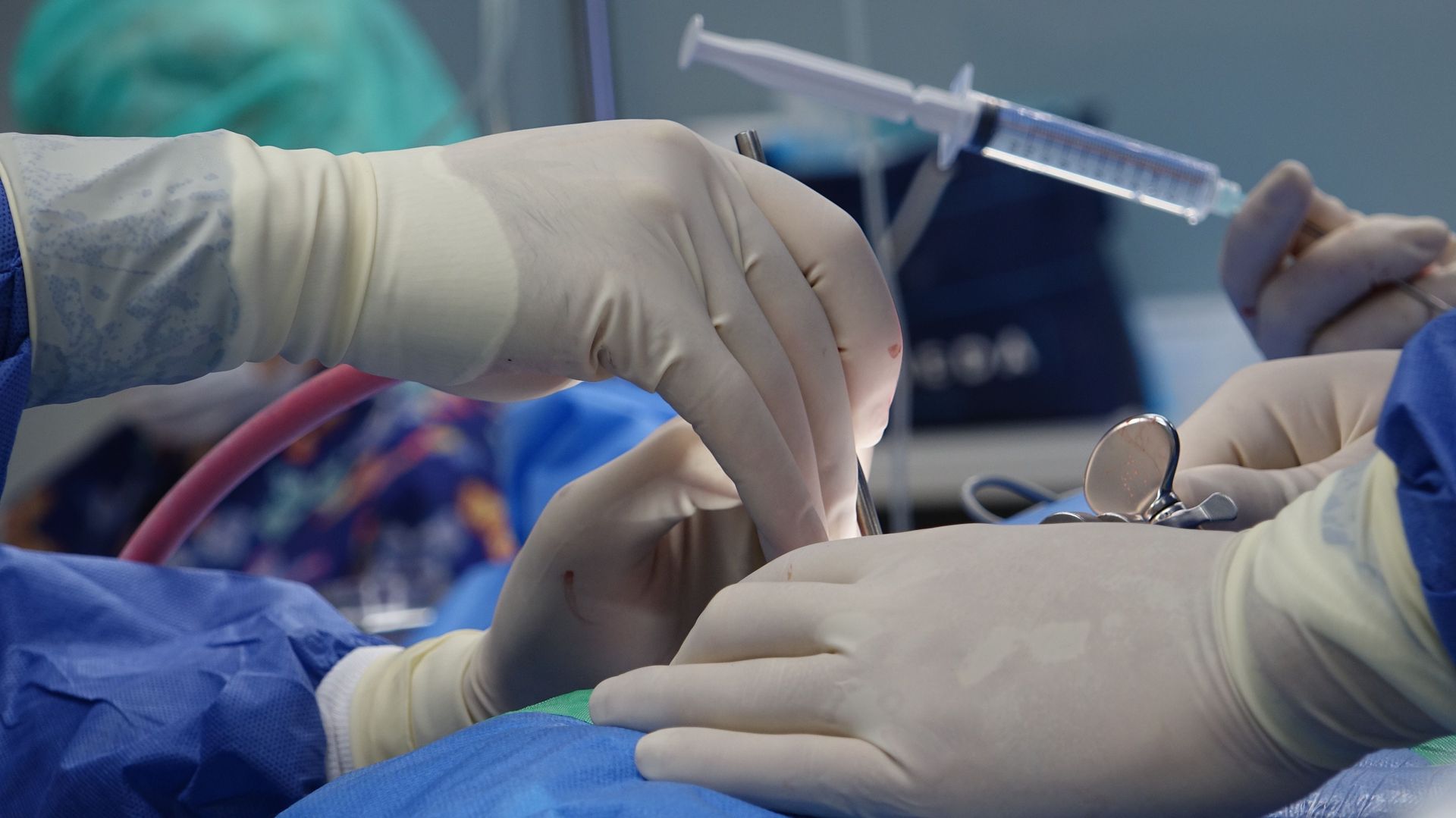
During surgery, the damaged disc and compressive material are removed. An artificial disc is then placed in the disc space.
Unlike anterior cervical discectomy and fusion (ACDF), artificial disc replacement does not require the two vertebrae to heal together as one solid segment.
However, the artificial disc still needs time to stabilize within the vertebral endplates, and the surrounding tissues must recover.

What Activities Should I Avoid After Artificial Disc Replacement?
During the initial recovery period, patients are commonly advised to avoid activities that place excessive stress on the neck.
Restrictions may include:
- Heavy lifting
- Strenuous exercise
- Running or jumping
- Contact sports
- Sudden or forceful neck movements
- Repetitive overhead lifting
- Heavy pushing or pulling
- High-impact activities
- Aggressive neck stretching
- Heavy weightlifting
- Activities that increase neck or arm pain
The exact restrictions and their duration depend on the surgical levels treated, implant type, bone quality, and individual recovery.
Patients should follow their surgeon's specific instructions rather than a generalized timeline.
How Much Weight Can I Lift After Cervical Disc Replacement?
Lifting restrictions are common during the first several weeks after surgery.
Some surgeons initially recommend limiting lifting to approximately 5–10 pounds, although restrictions vary by surgeon and procedure.
Patients should also avoid lifting objects overhead, carrying heavy bags, or performing repetitive activities that strain the neck until cleared.
Even if you feel significantly better shortly after surgery, the healing process is still underway.
Can I Move My Neck After Artificial Disc Replacement?
Yes. One of the primary purposes of cervical artificial disc replacement is to preserve motion at the treated spinal level.
Unlike spinal fusion, which is designed to eliminate movement between the fused vertebrae, artificial disc replacement maintains the potential for continued motion.
However, patients should avoid sudden, aggressive, or extreme neck movements during early recovery.
Gentle neck movement may be permitted relatively soon after surgery, depending on the surgeon's instructions. Forceful stretching and high-resistance neck exercises should be avoided until cleared.
Do I Need to Wear a Neck Brace?
Not every patient requires a cervical collar after artificial disc replacement.
Some patients do not require a brace, while others may use a soft cervical collar temporarily for comfort or support.
The decision depends on the procedure, implant, surgeon's preference, and individual patient needs.

When Can I Drive After Artificial Disc Replacement?
Driving may be resumed when the surgeon determines it is safe.
Before returning to driving, patients should be able to turn their head sufficiently to observe traffic, safely operate the vehicle, and perform emergency maneuvers.
Patients should not drive while taking opioid pain medications, sedating muscle relaxants, or other medications that impair alertness or reaction time.
Some patients can return to driving within the first one to two weeks, but others require more time.
Can I Walk After Artificial Disc Replacement?
Yes. Walking is generally encouraged during the early recovery period.
Short, frequent walks can help maintain mobility and reduce complications associated with prolonged inactivity.
Patients should gradually increase walking distance as tolerated without pushing through significant pain or neurological symptoms.
When Can I Return to the Gym?
Returning to exercise depends on the intensity and type of activity.
Walking and gentle activity may begin early in recovery.
Low-impact exercise and selected strengthening activities may be introduced over the following weeks with surgical clearance.
Heavy resistance training, contact sports, and activities involving repetitive impact or substantial neck loading generally require a longer recovery period.
Patients who participate in golf, tennis, cycling, swimming, weightlifting, or other sports should discuss individualized return-to-activity recommendations with their surgeon.
Can I Sleep Normally After Artificial Disc Replacement?
Patients can usually sleep in a comfortable position that maintains reasonable neck alignment.
Sleeping on the back or side with appropriate pillow support may help reduce discomfort.
Patients should avoid positions that place the neck in extreme rotation, flexion, or extension if these movements cause pain.
Temporary incision soreness, neck stiffness, throat discomfort, or difficulty swallowing can occur after cervical surgery.

Can I Work After Artificial Disc Replacement?
Patients who perform desk work may be able to return relatively early, sometimes within one to three weeks, depending on symptoms and recovery.
Patients whose jobs require heavy lifting, repetitive overhead movements, physical labor, or prolonged driving may need additional time.
Return-to-work restrictions should be individualized and discussed during postoperative follow-up.
Are There Long-Term Restrictions After Artificial Disc Replacement?
One potential advantage of cervical artificial disc replacement is that many patients can eventually return to a broad range of normal activities while maintaining motion at the treated level.
However, not every patient can safely resume every activity.
Long-term recommendations depend on implant design, spinal alignment, bone quality, neurological recovery, and the demands of work or sports.
Patients should avoid assuming that motion preservation means the spine is immediately ready for unrestricted activity.
What Symptoms Should I Watch for After Surgery?
Some neck soreness, throat discomfort, and temporary swallowing difficulty can occur after cervical disc replacement.
However, worsening neurological symptoms, fever, wound drainage, or increasing pain should be reported to your surgeon.
New or worsening difficulty breathing, rapidly increasing neck swelling, or severe difficulty swallowing requires emergency medical evaluation.
Schedule a Consultation
Artificial disc replacement can be an excellent option for appropriately selected patients who need surgical treatment for certain cervical disc problems but want to preserve motion in the neck.
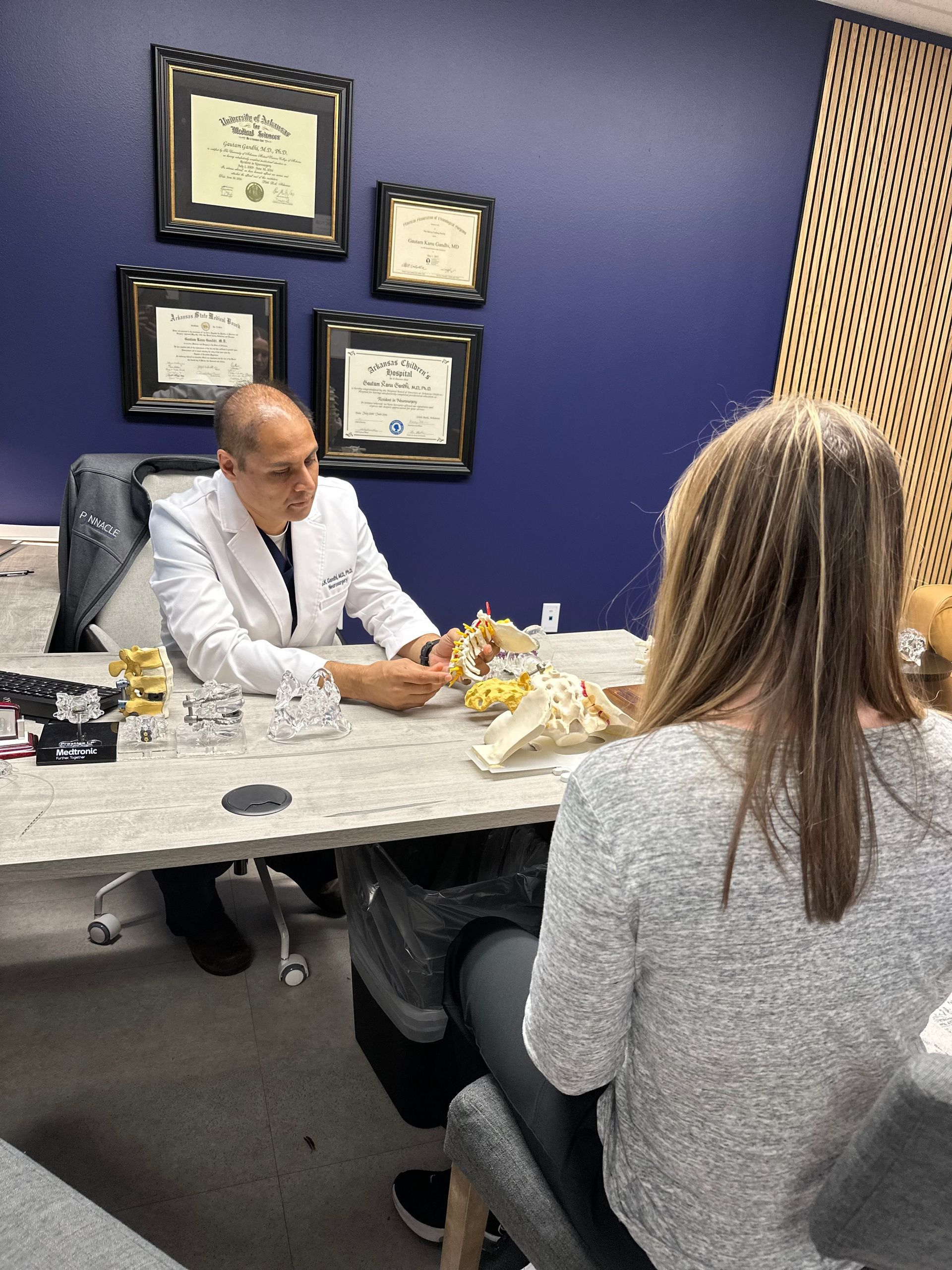
At Pinnacle Spine & Neurosurgery, Dr. Gautam Gandhi evaluates patients individually to determine whether cervical artificial disc replacement, ACDF surgery, or another treatment is most appropriate.
We serve patients throughout Little Rock, Conway, Hot Springs, and Central Arkansas.
To learn more about artificial disc replacement, postoperative restrictions, and treatment options, contact Pinnacle Spine & Neurosurgery at 501-234-0600 or visit www.pinnaclespine.com to schedule a consultation.
Frequently Asked Questions
Can I bend my neck after artificial disc replacement?
Gentle neck movement is often permitted, but forceful bending, twisting, or stretching should be avoided during early recovery unless specifically approved by your surgeon.
Can I lift weights after artificial disc replacement?
Weightlifting is typically restricted initially. A gradual return to resistance training may be possible after healing and surgical clearance.
How long do lifting restrictions last after cervical disc replacement?
Initial lifting restrictions commonly last several weeks, but the exact limits and duration depend on the procedure and surgeon's instructions.
Can I go back to work two weeks after artificial disc replacement?
Some patients with sedentary jobs may return within one to two weeks. Those with physically demanding jobs may need a longer recovery period.
Can I play golf after cervical artificial disc replacement?
Many patients may eventually return to golf, but the timing depends on healing, implant stability, symptoms, and surgeon approval. Golf involves repetitive neck and trunk rotation and should be resumed gradually.
Author: Dr. Gandhi
Date Published: November 23, 2026